

An electrolyte drink for migraines may be useful when dehydration or fluid loss is one of your personal triggers, but electrolyte products are not a universal migraine treatment. Magnesium has separate evidence in migraine care, while evidence for finished commercial hydration powders is much more limited. This guide explains which minerals matter, how to read product labels, and when hydration may help. New, severe, changing, or neurologically unusual headaches require prompt medical evaluation.
Table of Contents
The connection between dehydration, sodium, magnesium, and migraine frequency is backed by clinical research – and understanding it gives you a practical tool you can use today. This guide covers the science behind how electrolytes and hydration impact your migraine threshold, which specific minerals matter most, what the best drinks for headache and migraine relief actually are, and critically – what drink to avoid in migraine if you want to stop making things worse.
The Migraine-Hydration Link: What Research Confirms
Three specific studies define the foundation of this topic – and they’re worth knowing because they clarify exactly what electrolytes can and can’t do for migraines.
First: a 2024 study published in the Journal of Clinical Neuroscience found that consistent hydration with electrolytes reduces migraine frequency by 18%. Not a trivial number for people managing regular attacks.
Second: a 2023 study in Headache: The Journal of Head and Face Pain found that dehydration worsens migraine severity by 25%, amplifying both pain intensity and sensory sensitivity. Even mild dehydration – as little as 1-2% of total body fluid – can trigger headache episodes in people with existing migraine tendency, according to Custom Vitality IV’s clinical analysis.
Third: research published in ScienceDirect and reviewed by multiple neurology specialists found that migraine sufferers who drink 1.5 liters of water daily experience significant improvements in quality of life and attack severity. The key word is “water” – but electrolyte-enhanced water outperforms plain water specifically because plain water without sodium flushes through the body without effectively hydrating at the cellular level, as The American Journal of Clinical Nutrition has confirmed.
These findings collectively answer do electrolyte drinks help migraines with a conditional yes: they help with the dehydration and mineral-depletion components of migraine triggers. They don’t override neurological factors, hormonal patterns, or genetic predisposition. But for a condition where dehydration is among the most commonly reported triggers, that’s a meaningful contribution.
How Electrolytes and Hydration Impact Your Migraine Threshold
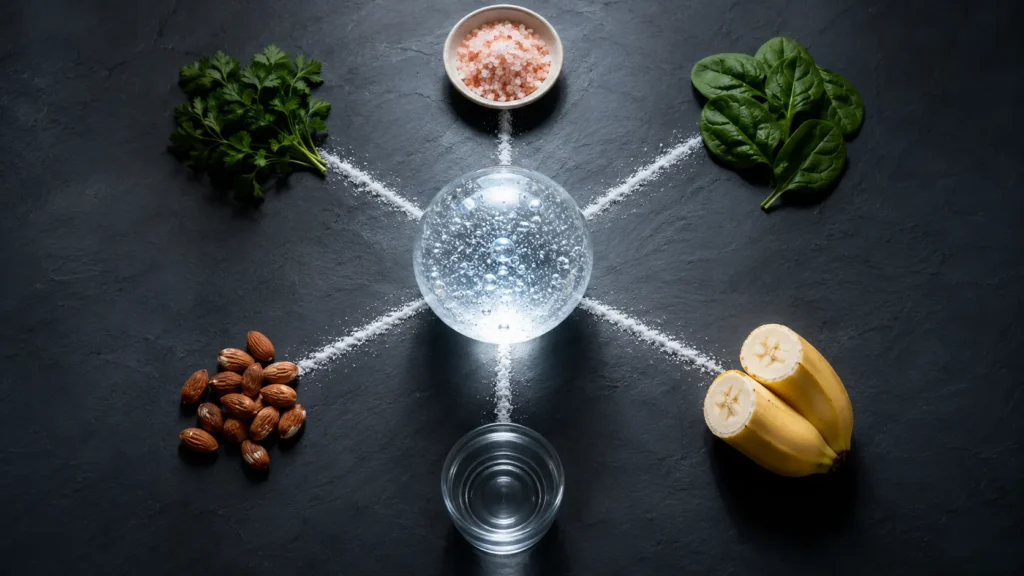
Every migraine sufferer has what neurologists call a migraine threshold – the point at which accumulated triggers push the brain into an attack. Understanding how electrolytes and hydration impact your migraine threshold is probably the most practically useful concept in this article.
Ubie Health’s doctor-reviewed 2026 guide states directly: “hydration and electrolytes, especially sodium, directly shape your migraine threshold by influencing blood volume, nerve signaling, and vessel tone; dehydration or over-diluting with plain water can lower that threshold, while balanced fluids plus electrolytes can reduce risk.” That’s the clinical summary. How electrolytes and hydration impact your migraine threshold is a direct, measurable relationship – not a speculative wellness trend.
When electrolyte levels stay consistent, the nervous system is less hyperexcitable, blood vessels maintain more stable tone, and inflammatory cascades trigger less readily. The threshold rises. Attacks become less frequent, and when they do occur, the severity tends to be lower.
Which Electrolytes Matter Most for Migraines
Magnesium – The Migraine Mineral
Magnesium is the most clinically supported mineral for migraine prevention, and the deficiency rates among migraine sufferers are striking. Research published in Nutrients and reviewed by the National Institutes of Health confirms that magnesium supplementation reduces migraine frequency, duration, and severity. Separately, research published in Headache: The Journal of Head and Face Pain shows that magnesium deficiency affects up to 50% of all migraine sufferers – a percentage that immediately explains why so many people find magnesium supplementation effective.
Sodium – The Underestimated One
Sodium rarely gets credit in migraine discussions, but it’s the mineral that makes hydration actually work. Without adequate sodium, water doesn’t remain in your bloodstream effectively – it passes through and you remain functionally dehydrated despite high fluid intake. Research in The American Journal of Clinical Nutrition confirms that sodium enhances water retention and improves intravascular volume, which is precisely the physiological stability migraine-prone brains need. Drinking plain water without sodium when dehydration has already begun can actually worsen the imbalance, as the dilution effect reduces the sodium concentration remaining in the blood.
Potassium – Nerve Communication Support
Potassium supports the electrical signaling between neurons and helps smooth muscle cells in blood vessels maintain appropriate tone. For migraine sufferers, vascular stability is a direct concern. Potassium also balances the effects of sodium – the two minerals operate together in the sodium-potassium pump that regulates every nerve impulse and muscular contraction. Low potassium contributes to the general irritability and fatigue that often precedes migraine attacks in the prodrome phase.
Calcium – The Supporting Role
Calcium helps regulate nerve function and maintain healthy blood pressure. While its role in migraines is less studied than magnesium, calcium is involved in the same nerve signaling pathways that magnesium modulates. Maintaining adequate calcium alongside magnesium supports more stable neural function overall.
Do Electrolyte Drinks Help Migraines? Honest Assessment
Do electrolyte drinks help migraines? The clinical evidence says yes – with specificity. Electrolyte drinks most directly help when:
- Dehydration is a known or suspected trigger for your attacks
- You’ve been skipping fluids, sweating, or in hot weather before an attack begins
- The migraine is in its early phase and hasn’t fully escalated
- Your magnesium intake from diet is consistently low
- Your sodium intake is already low (whole foods diet, keto, low-salt eating)
Where do electrolyte drinks help migraines less: attacks driven by hormonal fluctuations, sleep disruption, specific food triggers, or environmental factors like weather and light aren’t primarily hydration problems. Electrolytes help with the threshold and background conditions, not every specific trigger.
Best Electrolyte Drink for Migraines – Top Product Options
Not all electrolyte products suit migraine sufferers equally. Artificial sweeteners – aspartame in particular – are a documented migraine trigger, which immediately rules out many mainstream sports drinks. MSG, artificial colors, and high sugar content also appear on migraine trigger lists. The best electrolyte drink for migraines is clean in formula, contains meaningful magnesium, and avoids the additives most commonly associated with attacks.
LMNT – Best for Sodium and Magnesium Together
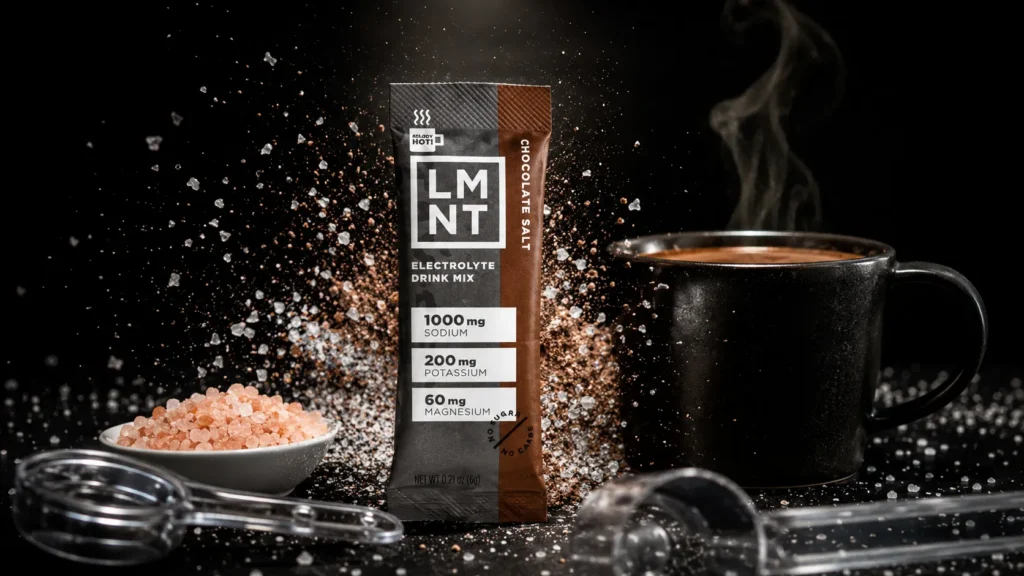
For migraine sufferers who identify dehydration and low-sodium states as common precursors, LMNT is the most targeted option. Each packet delivers 1,000 mg sodium, 200 mg potassium, and 60 mg of magnesium malate – zero sugar, zero artificial sweeteners, zero artificial colors. The magnesium malate form absorbs efficiently and avoids the digestive discomfort some people experience with oxide forms. No aspartame. No MSG. No sucralose if that’s a concern. The Raw Unflavored version has nothing beyond the three minerals – the cleanest possible formula for someone managing trigger sensitivities.
Ultima Replenisher – Best for Magnesium Coverage
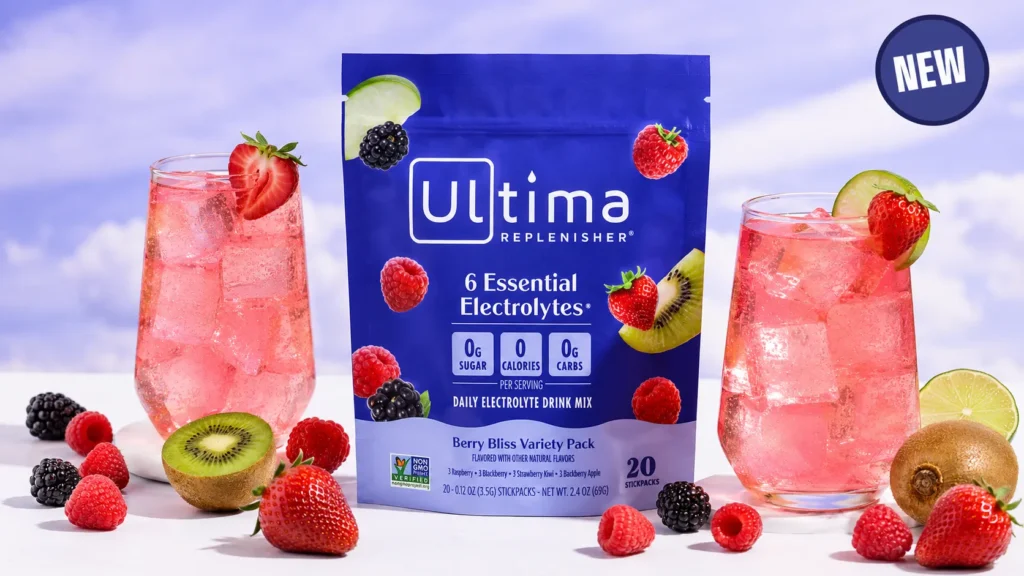
Ultima provides 100 mg of magnesium per serving – the highest of any mainstream zero-sugar electrolyte product – alongside 250 mg potassium, calcium, and zinc. The sodium content is lower (55 mg), so it works better alongside dietary salt rather than as a standalone sodium source. Zero sugar, zero artificial sweeteners, stevia-sweetened in flavored versions. The broader mineral coverage – six electrolytes versus three in LMNT – suits migraine sufferers who also manage frequent leg cramps or broader mineral depletion. For a comparison of both products’ full mineral profiles, our Ultima vs LMNT comparison is the most detailed breakdown available.
DripDrop – Best for Active Attack Recovery
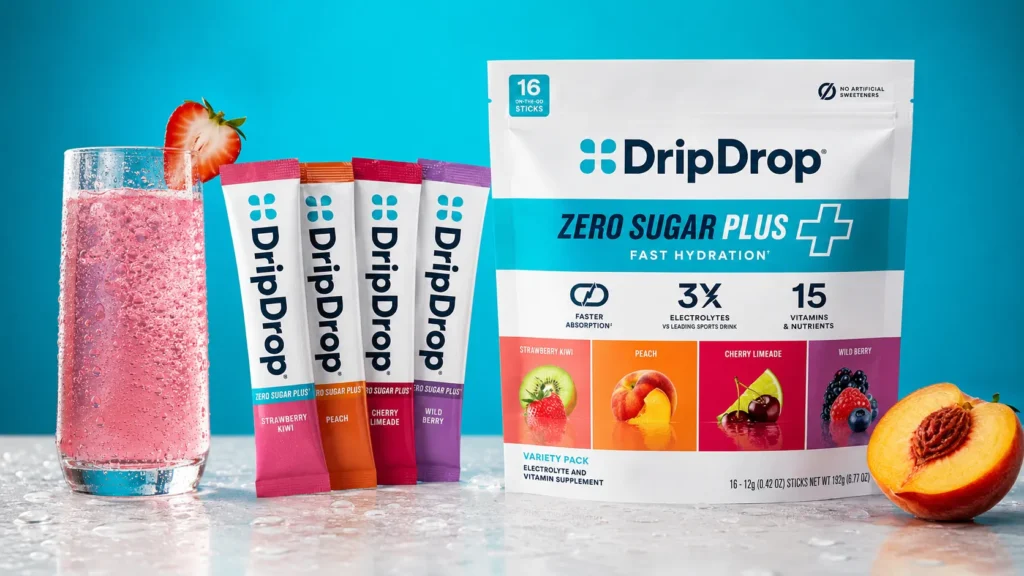
DripDrop’s WHO oral rehydration formula achieves the highest Beverage Hydration Index score (2.3) of any mainstream electrolyte product in independent lab testing – meaning it absorbs fluids into the bloodstream faster per volume consumed. During an active migraine when nausea may limit how much you can drink, DripDrop‘s faster absorption makes each sip count more. It contains sodium, potassium, magnesium, B vitamins, and vitamin C. The lower sugar version has 7 grams per packet – not zero, but well below the 34+ grams in standard sports drinks. Available in pharmacy and online.
Coconut Water – Best Natural Whole Food Option

Unsweetened coconut water naturally provides five electrolytes – potassium (515 mg per cup), magnesium (14 mg), sodium (64 mg), calcium, and phosphorus – with no artificial additives. For migraine sufferers who prefer whole food sources over powders, it’s the most accessible natural option. The low sodium means it works best alongside a pinch of added salt. As one of the cleanest drinks for headache and migraine relief in natural form, coconut water fits well as a daily maintenance drink rather than an acute attack intervention.
Drinks for Headache and Migraine Relief Beyond Electrolytes
The drinks for headache and migraine relief list extends beyond electrolyte products specifically. Several beverage options carry documented benefits for migraine management:
- Ginger tea – a 2014 randomized trial in Phytotherapy Research found ginger to be as effective as sumatriptan for migraine relief in the early attack phase, with fewer side effects. Anti-inflammatory and anti-nausea properties make it one of the most clinically validated herbal options for migraine management
- Peppermint tea – menthol has a vasodilating effect that can relieve the vasoconstriction associated with tension-type and migraine headaches; also improves nausea
- Green tea (small amount, carefully) – contains L-theanine alongside caffeine, which can modulate the alertness effect and reduce the vasodilatory rebound that pure caffeine sometimes causes in migraine-sensitive people; limit to one small cup
- Warm broth – provides sodium, potassium, and magnesium in a format easy to consume during an attack when nausea limits appetite; the warmth promotes circulation
- Tart cherry juice – contains natural anti-inflammatory compounds including anthocyanins; some emerging research supports its role in reducing inflammatory headache components
What Drink to Avoid in Migraine
This matters as much as the positive recommendations. What drink to avoid in migraine covers several categories with strong research backing from the Migraine Trust, Sutter Health, National Headache Foundation, and GoodRx’s registered dietitian reviews:
| Drinks to Avoid If You Manage Migraines Red wine: highest migraine trigger rate of any alcohol – contains tyramine, sulfites, and tannins, all identified migraine triggers. About one-third of migraine sufferers identify alcohol as a trigger, and red wine is the most reported type. Beer and dark ales: fermentation raises tyramine levels significantly; tap beer particularly high; histamine content also relevant for histamine-sensitive migraine sufferers. Energy drinks: combination of high caffeine, artificial sweeteners, artificial colors, and taurine creates multiple simultaneous triggers; caffeine dependence from energy drinks also leads to withdrawal migraines. Diet sodas with aspartame: aspartame is a well-documented migraine trigger per the American Migraine Foundation and National Headache Foundation. Check labels of any artificially sweetened drink before consuming. |
Knowing what drink to avoid in migraine is arguably more immediately impactful than knowing what to drink – because eliminating triggers reduces attack frequency at the source, rather than managing symptoms after they appear.
When and How to Use Electrolytes for Migraine Prevention

Timing electrolyte use for migraine prevention follows a different logic than using them for acute attack recovery. Here’s what the evidence and clinical practice support:
| Practical Electrolyte Timing for Migraine Prevention Daily maintenance: one electrolyte serving in the morning mixed in 16-20 oz of water sets a consistent baseline. The 2024 Journal of Clinical Neuroscience study that found 18% reduction in migraine frequency used consistent daily electrolyte hydration as its protocol. Before known triggers: if stress, travel, irregular sleep, or poor food intake is ahead – circumstances that lower your migraine threshold – drink a second electrolyte serving in the late afternoon proactively. At prodrome signs: migraine prodrome symptoms (fatigue, yawning, neck stiffness, food cravings, mood changes) typically appear 1-48 hours before an attack. This window is your intervention point. Drink an electrolyte solution immediately and sip slowly throughout the next 2-3 hours. During an attack with nausea: small sips of an electrolyte drink rather than large volumes. DripDrop’s high Beverage Hydration Index means each sip absorbs more effectively – useful when nausea limits total volume consumed. |
Final Verdict: Electrolyte Drink for Migraines
The evidence is clear enough to act on. The right electrolyte drink for migraines – one containing meaningful magnesium, sodium without artificial additives, and no known migraine triggers like aspartame or artificial colors – is a legitimate, research-supported addition to a migraine management routine.
For products: LMNT for high-sodium, high-magnesium support with zero additives. Ultima for broader mineral coverage and higher magnesium per serving. DripDrop for the fastest absorption during an active attack. Coconut water for daily whole-food maintenance. All of these represent clean drinks for headache and migraine relief – none contain the artificial sweeteners, MSG, or high sugar content that appear on the migraine trigger list.
And on the flip side: understanding what drink to avoid in migraine – red wine, energy drinks, diet sodas with aspartame, excess coffee, standard sugary sports drinks – removes triggers proactively. Combining the right electrolyte drink with that avoidance list gives you a practical, evidence-based hydration strategy that directly addresses your migraine threshold from both directions. It won’t eliminate all attacks. But 18% fewer migraines, with reduced severity on the ones that do occur, is a meaningful real-world outcome.
| Disclaimer: This article is for informational purposes only and does not constitute medical advice. Migraines are a neurological condition with multiple causes. Always work with a neurologist or healthcare provider for a comprehensive migraine management plan, particularly if attacks are frequent or disabling. |
Frequently Asked Questions (FAQ)
The most common questions about electrolytes and migraines – answered directly.
Q1. What is the best electrolyte drink for migraines?
The best electrolyte drink for migraines depends on your primary need. LMNT is the strongest option for sodium and magnesium combined with zero artificial additives. Ultima Replenisher provides the highest magnesium per serving (100 mg) with broader mineral coverage. DripDrop absorbs fastest during an active attack. All three avoid aspartame, artificial colors, and ingredients commonly linked to migraine triggers. Coconut water is the cleanest whole-food natural option for daily maintenance.
Q2. Do electrolyte drinks help migraines?
Do electrolyte drinks help migraines caused by dehydration and low mineral levels? Yes – with documented evidence. A 2024 Journal of Clinical Neuroscience study found consistent electrolyte hydration reduces migraine frequency by 18%. A 2023 study in Headache journal found dehydration worsens migraine severity by 25%. They’re most effective as prevention and early intervention – less effective once a full attack has taken hold.
Q3. How electrolytes and hydration impact your migraine threshold?
How electrolytes and hydration impact your migraine threshold works through blood volume, nerve signaling, and vascular tone. When sodium and fluid levels drop, blood volume decreases, blood vessels dilate to compensate, and pain receptors in the brain’s blood vessels activate. Consistent electrolyte intake keeps blood volume stable, reduces neuronal excitability (especially with adequate magnesium), and maintains vascular tone – all of which raise the threshold that triggers need to cross to cause an attack.
Q4. What drink to avoid in migraine?
What drink to avoid in migraine: red wine (highest trigger rate of all alcohols – tyramine, sulfites, and tannins), energy drinks (caffeine overload, artificial sweeteners, artificial colors), diet sodas with aspartame (documented migraine trigger per the American Migraine Foundation), standard sugary sports drinks like regular Gatorade (blood sugar spike and crash), beer and dark ales (high tyramine from fermentation), and excess coffee beyond 200 mg of caffeine daily.
Q5. Is magnesium the most important electrolyte for migraines?
Clinically, yes. Research published in Nutrients and reviewed by the NIH confirms magnesium supplementation reduces migraine frequency, duration, and severity. Up to 50% of migraine sufferers have measurable magnesium deficiency. Low magnesium increases neuronal excitability – one of the root mechanisms of migraine – and affects serotonin receptor function and blood vessel regulation. The recommended range for migraine prevention is 400-600 mg daily from bioavailable forms like glycinate, malate, or threonate.
This article contains affiliate links. If you purchase through our links, we may earn a commission at no extra cost to you. We only recommend products we genuinely believe in. Read our Affiliate Disclaimer for full details.