
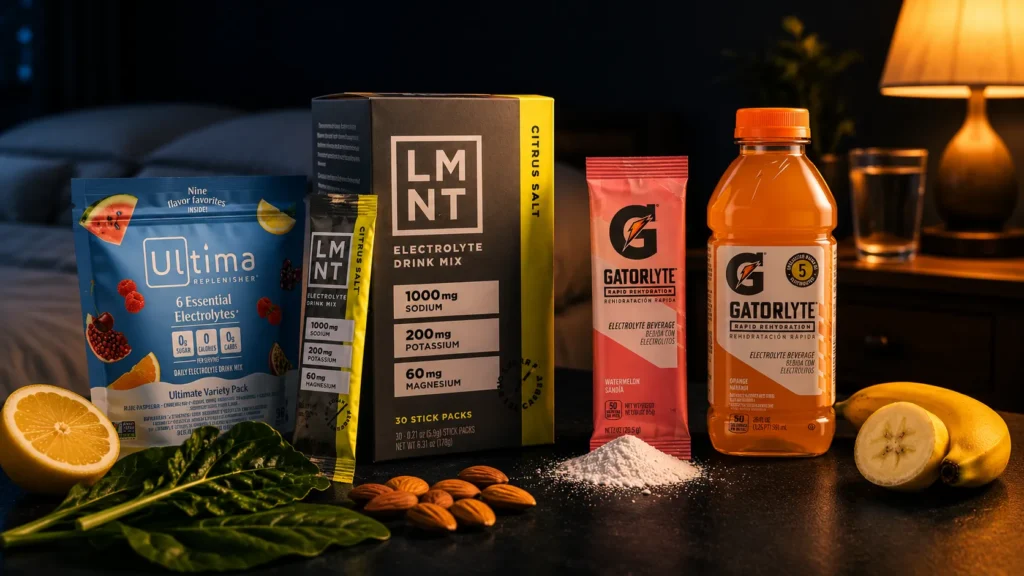
The best electrolytes for leg cramps at night depend on whether a true fluid or mineral shortage is contributing to the cramps. Sodium, potassium, magnesium, and calcium all support normal muscle function, but nocturnal cramps can also result from medications, pregnancy, nerve problems, circulation issues, or prolonged muscle positioning. This guide explains reasonable drink and food options without promising that an electrolyte powder will stop every cramp or replace medical evaluation for frequent symptoms.
Table of Contents
This guide covers every electrolyte your muscles depend on, the best products and foods to get them from, and what to make at home when you want something practical and effective tonight.
Why Leg Cramps Hit You At Night

Nocturnal leg cramps have a few consistent triggers. During the day, your body loses electrolytes through sweat, urine, and metabolic processes – and if you haven’t replaced them adequately by the time you lie down, your muscle cells sit in a mineral-depleted state overnight. When a muscle is low on magnesium or potassium, it can’t fully repolarize after contracting. The result is a muscle that fires but doesn’t release – which is exactly what a leg cramp is: an involuntary contraction that won’t let go.
Extended sitting or standing during the day, pregnancy, medications like diuretics and statins, intense exercise earlier in the day, and low dietary intake of key minerals all increase nighttime cramp frequency. A 2025 systematic review published in ScienceDirect that followed PRISMA guidelines and analyzed 13 randomized trials confirmed that low or imbalanced levels of magnesium, potassium, calcium, and sodium are directly associated with muscle cramp development and recurrence.
The good news: this is fixable. Understanding what electrolytes stop leg cramps and getting enough of them before bed changes the picture for most people relatively quickly.
What Electrolytes Stop Leg Cramps – The Four Minerals That Matter
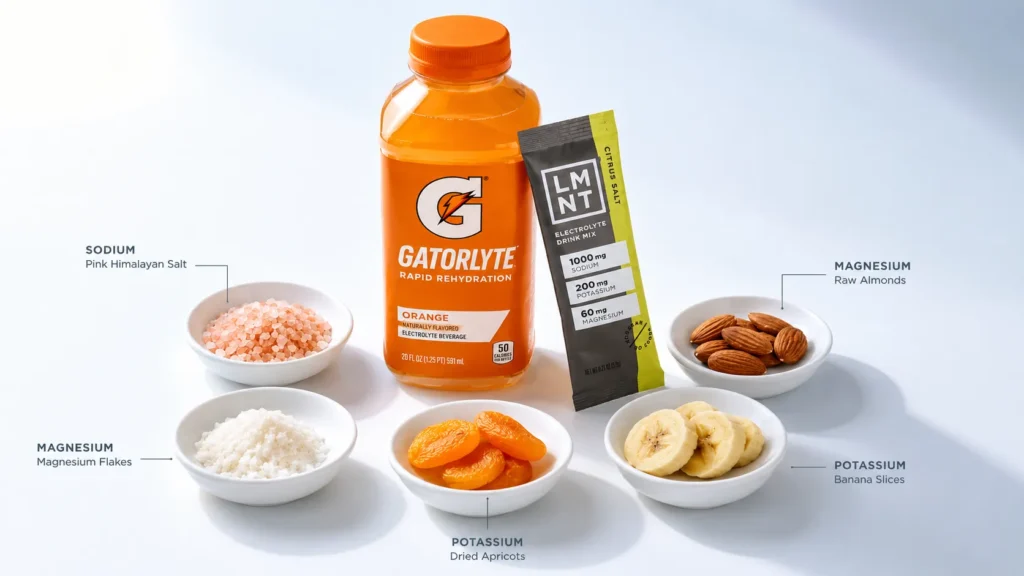
What electrolytes stop leg cramps? The answer involves four minerals, and each one plays a distinct role in muscle function. Getting all four right is more effective than focusing on any single one.
Magnesium – The Relaxation Mineral
Magnesium is the electrolyte most directly linked to nighttime leg cramps – and it’s the one most people in the Western diet are chronically low in. According to NIH data from 2024, nearly half of Americans consume less than the estimated average requirement for magnesium. That statistic alone explains a lot of leg cramp patterns.
Magnesium acts as a natural calcium blocker in muscle cells. After calcium triggers a muscle contraction, magnesium moves in to displace it and allow the muscle to relax. When magnesium is low, that relaxation mechanism is impaired – the muscle stays in a contracted state longer than it should. Magnesium also regulates over 300 biochemical reactions in the body, including the nerve signaling that coordinates muscle activity.
Potassium – The Off Switch
If magnesium is what helps muscles relax, potassium is what helps them stop contracting in the first place. Potassium operates inside your cells and helps them repolarize after a muscle fires. When potassium drops too low, muscle cells stay in a prolonged contracted state – meaning the cramp lasts longer and hits harder.
The FDA daily value for potassium is 4,700 mg per day. Most people consuming standard Western diets fall short of this, particularly those who eat low-carb or avoid high-potassium foods like bananas, avocados, and sweet potatoes. GoodRx’s registered dietitian review of best drinks for leg cramps identifies potassium as one of the two most important minerals to replenish before bed, alongside magnesium, specifically because of its role in the muscle repolarization cycle.
Sodium – The Fluid Regulator
Sodium tends to get less attention in leg cramp conversations, but it plays a foundational role. Sodium controls how your body distributes fluid between cells and the bloodstream. Without adequate sodium, water doesn’t stay where your muscles need it, and the concentration of other electrolytes around your muscle cells becomes disrupted – even if you’re consuming enough magnesium and potassium.
People who sweat heavily during the day – through exercise, heat, or labor-intensive work – lose more sodium than their diet typically replaces, especially if they eat whole foods and avoid processed food where most dietary sodium comes from. Drinking excessive plain water without sodium also dilutes sodium levels in the blood (a condition called hyponatremia), which can actually worsen cramping by disrupting the osmotic balance around muscle cells.
Calcium – The Contraction Trigger
Calcium is what initiates muscle contraction at the cellular level – it helps the protein fibers inside muscle cells slide past each other and generate force. Low calcium disrupts this mechanism and leads to muscle irritability, twitching, and cramps. Research published in 2013 found that insufficient blood calcium directly causes muscle cramping and can contribute to irregular heartbeat. The daily requirement for adults is approximately 1,000 mg. Dairy, fortified plant-based milk, and leafy greens are the primary dietary sources.
What to Drink Before Bed for Leg Cramps
What to drink before bed for leg cramps is one of the most practical questions in this whole conversation. The timing matters as much as the ingredients. Drinking the right electrolytes 30-60 minutes before sleep gives your muscles time to absorb the minerals before you enter the hours when cramps are most likely to strike.
Electrolyte Powders Mixed in Water
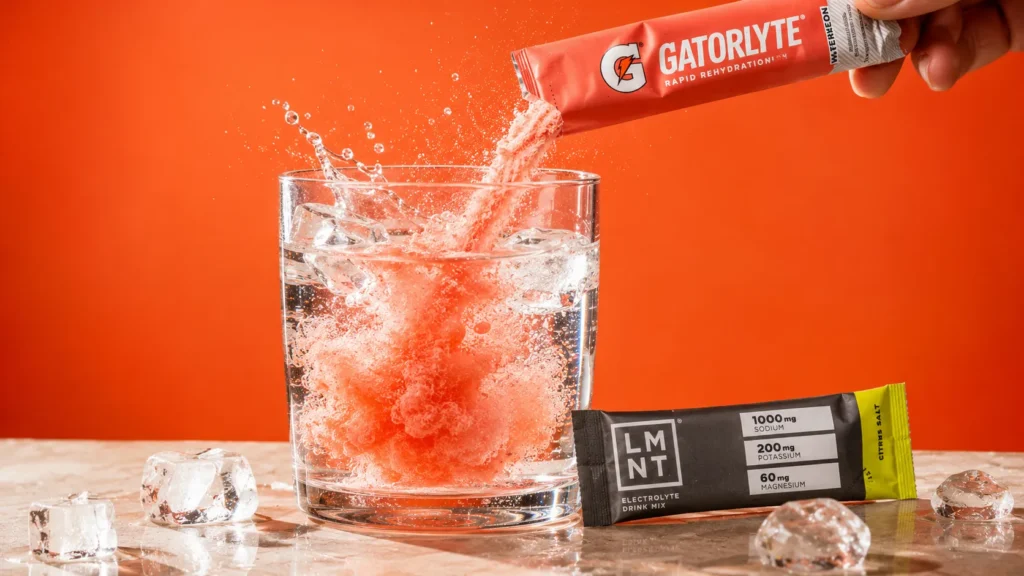
A clean, zero-sugar electrolyte powder mixed in 16-20 oz of water before bed is the most direct solution. LMNT is one of the strongest options for cramp prevention specifically because it includes all three primary cramp-related minerals in meaningful amounts: 1,000 mg sodium, 200 mg potassium, and 60 mg magnesium malate per packet – and magnesium malate is one of the more bioavailable magnesium forms. Zero sugar, zero calories in the unflavored version. If you’re asking whether daily LMNT use makes sense for your situation, our detailed guide on can you drink LMNT everyday walks through who benefits most and who should moderate.
Ultima Replenisher offers a broader mineral profile – 100 mg of magnesium, 250 mg of potassium, calcium, zinc, and phosphorus alongside sodium – at a lower sodium level (55 mg per serving) that suits people who don’t need aggressive sodium replacement. Ultima‘s higher magnesium content makes it particularly relevant for cramp-prone people who primarily need magnesium support rather than sodium. For a direct comparison of how these two products differ, our Ultima vs LMNT comparison breaks down every meaningful difference.
Coconut Water

Coconut water is one of the best natural what to drink before bed for leg cramps options. It contains potassium, magnesium, calcium, sodium, and phosphorus naturally – five electrolytes in one liquid with no additives. A small 2019 study involving ten male athletes found coconut water provided effective electrolyte replenishment following exercise. The potassium content is particularly strong. Unsweetened coconut water without added sugar is the cleanest choice for pre-bed use.
Warm Broth

Bone broth or a simple vegetable broth delivers sodium, potassium, magnesium, and calcium in a warm, easily digestible form before bed. The warmth also promotes muscle relaxation and blood flow. GoodRx’s 2025 registered dietitian review lists warm broth as one of the most underrated pre-sleep hydration choices for cramp prevention – the sodium content is natural, the magnesium and potassium come from the simmered vegetables or bones, and the warmth helps the body absorb it calmly.
Best Electrolyte Products for Leg Cramps At Night
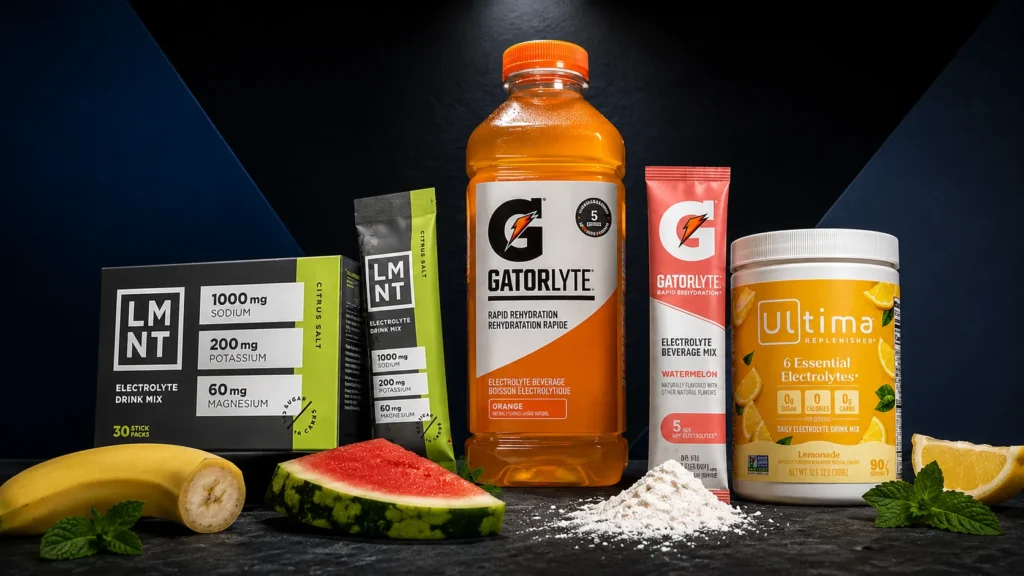
When choosing from the best electrolytes for leg cramps at night in supplement form, these three products have the most relevant mineral profiles for cramp prevention specifically:
- LMNT – Best for heavy sweaters, keto dieters, and people who need high sodium alongside magnesium and potassium. 1,000 mg sodium, 200 mg potassium, 60 mg magnesium malate. Zero sugar. Available at drinklmnt.com.
- Ultima Replenisher – Best for daily, gentle mineral support. 55 mg sodium, 250 mg potassium, 100 mg magnesium (highest magnesium of the three). Also includes calcium and zinc. Zero sugar, very affordable in canister format.
- Gatorlyte – Best for post-exercise cramp prevention. 490 mg sodium, 350-400 mg potassium, 105 mg magnesium, 120 mg calcium, and 1,040 mg chloride. Five electrolytes per serving. For a full comparison of Gatorlyte against Liquid IV, our
For a full comparison of Gatorlyte against Liquid IV, our Gatorlyte vs Liquid IV comparison covers the full ingredient breakdown and which one suits different use cases.
Homemade Electrolyte Drink for Muscle Cramps
A homemade electrolyte drink for muscle cramps is genuinely worth knowing how to make – not because it beats every supplement product, but because it’s available at midnight when you wake up cramping and don’t have a packet of LMNT handy. Here’s a straightforward recipe based on whole food ingredients with verified electrolyte content:
| Bedtime Electrolyte Drink Recipe – 16 oz (480 ml) of water – 1/4 teaspoon of salt (approximately 600 mg sodium) – Juice of half a lemon or lime (potassium + vitamin C) – 1 tablespoon of honey or pure maple syrup (small glucose hit for mineral absorption) – Optional: 1/4 teaspoon of cream of tartar (potassium tartrate – adds approximately 495 mg potassium) Stir or shake until fully dissolved. Drink 20-30 minutes before bed. |
This homemade electrolyte drink for muscle cramps covers sodium and potassium reasonably well. The one gap is magnesium – which you can address separately with a 200 mg magnesium glycinate or malate capsule taken alongside it. The cream of tartar addition is optional but meaningful – potassium tartrate is a natural potassium source used in baking, and a quarter teaspoon delivers nearly 500 mg of potassium.
One important note about homemade electrolyte drink for muscle cramps: these DIY recipes provide real but inconsistent mineral amounts. If nighttime cramps are severe, frequent, or don’t respond to dietary adjustments within a week, a tested supplement product or a medical evaluation is the more reliable path forward.
What Fruit Stops Leg Cramps?
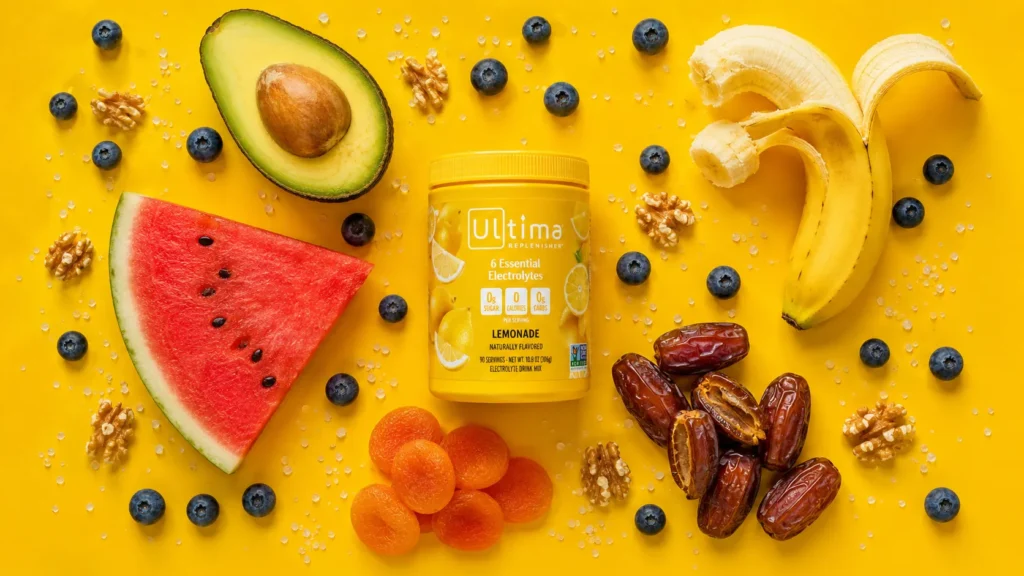
What fruit stops leg cramps? The answer depends on which mineral you need most – but several fruits hit multiple minerals at once, making them genuinely useful for nighttime cramp prevention when eaten regularly.
1. Avocado – The Highest Combined Impact
Avocado is the standout fruit for cramp prevention. A whole medium avocado provides approximately 975 mg of potassium – nearly double what a banana delivers – plus meaningful magnesium, which most other fruits lack. According to WebMD’s nutrition database and a 2026 analysis by Biology Insights, avocado is the only common fruit that delivers both potassium and magnesium together in one serving. Half an avocado before bed or as an afternoon snack consistently addresses what fruit stops leg cramps with the most mineral efficiency.
2. Banana – Convenient Potassium Source
Bananas are the most recognized cramp-prevention fruit – and they earn the reputation, though the effect is sometimes overstated. One medium banana provides about 9% of the daily potassium requirement and 32 mg of magnesium. That’s a decent contribution but not dramatic on its own. The value of bananas is their accessibility and timing flexibility – easy to eat before bed, during a workout, or as a mid-afternoon snack. Tennis players have used them courtside for decades specifically for the between-match potassium hit. They’re not the most powerful fruit on this list, but they’re the most practical.
3. Watermelon – Hydration and L-Citrulline
Watermelon attacks nighttime cramps from two directions. First, it’s over 92% water – making it one of the most hydrating foods you can eat before bed, and dehydration concentrates blood electrolytes in ways that directly trigger cramps. Second, watermelon is one of the richest natural sources of L-citrulline, an amino acid your body converts into a compound that improves blood flow to muscles and speeds up lactic acid clearance. Biology Insights’ 2026 analysis identified watermelon as particularly effective for exercise-related and nighttime cramps because it combines fluid intake with mineral delivery and blood flow support simultaneously.
4. Dried Apricots and Dates
Dried apricots are a surprisingly concentrated potassium source – just 30 grams (about five or six halves) delivers 453 mg of potassium, comparable to an entire banana in a fraction of the portion. The drying process concentrates the minerals while removing the water content. This makes dried apricots practical as a small pre-bed snack when you want potassium without a full piece of fruit. Dates provide similar benefits. The tradeoff is higher natural sugar concentration in dried fruits, so portion control matters – particularly if you manage blood sugar.
What Can You Drink to Stop Leg Cramps – Quick Summary
What can you drink to stop leg cramps? Here’s the full picture organized by category:
- Electrolyte powder in water – LMNT, Ultima, or Gatorlyte mixed in 16-20 oz of water 30-60 minutes before bed
- Coconut water – naturally provides five electrolytes with no additives; look for unsweetened versions
- Warm bone broth or vegetable broth – sodium, potassium, and magnesium in a warm, pre-sleep-friendly format
- Homemade electrolyte mix – water, salt, lemon, honey, and optional cream of tartar
- Banana smoothie with milk or fortified plant-based milk – potassium, calcium, and magnesium combined
- Tart cherry juice (small amount) – contains potassium and anti-inflammatory compounds; some research supports its role in muscle recovery
What what can you drink to stop leg cramps most often excludes: plain water, caffeinated drinks in the evening (caffeine promotes mineral loss through urine), and high-sugar sodas or sports drinks that provide glucose without meaningful mineral content.
When Electrolytes Alone Are Not Enough
Most nighttime leg cramps respond to improved electrolyte intake within a few nights to a week. But if your cramps persist despite consistent supplementation, happen more than three times per week, cause significant pain or swelling, or occur alongside other symptoms – it’s worth seeing a doctor.
If you manage any kidney condition and want to increase electrolyte intake, our article on is Liquid IV bad for kidneys addresses the kidney considerations for high-electrolyte supplements specifically – including the potassium and sodium factors relevant to compromised kidney function.
Final Verdict: Best Electrolytes For Leg Cramps At Night
The best electrolytes for leg cramps at night are magnesium, potassium, sodium, and calcium – in that order of typical deficiency. Magnesium is the most commonly low mineral in the population and the most directly linked to nocturnal muscle cramps through multiple randomized controlled trials. Potassium works alongside it to complete the muscle relaxation cycle. Sodium regulates the fluid environment that all other electrolytes operate in. Calcium initiates the contraction – and without proper calcium balance, the whole system becomes irritable.
What you actually do with that information: take 150-300 mg of magnesium malate or glycinate 30 minutes before bed, drink an electrolyte mix or coconut water in the evening, eat potassium-rich foods like avocado or banana as an afternoon or pre-bed snack, and make the homemade electrolyte drink for muscle cramps recipe above on nights when you have nothing else available.
| Disclaimer: This article is for informational purposes only and does not constitute medical advice. If leg cramps are frequent, severe, or accompanied by swelling, numbness, or weakness, consult a healthcare provider. |
Frequently Asked Questions (FAQ)
The most searched questions about electrolytes and nighttime leg cramps – answered directly.
Q1. What are the best electrolytes for leg cramps at night?
The best electrolytes for leg cramps at night are magnesium, potassium, sodium, and calcium. Magnesium is the most clinically supported for nocturnal cramps specifically – multiple randomized controlled trials confirm its effectiveness. Potassium works alongside magnesium to help muscles fully relax after contraction. Sodium regulates fluid balance and chloride availability.
Q2. What to drink before bed for leg cramps?
What to drink before bed for leg cramps – the most effective options are: a zero-sugar electrolyte powder like LMNT or Ultima mixed in water, unsweetened coconut water, warm bone broth with a pinch of extra salt, or a homemade electrolyte mix using water, salt, lemon, and honey. Drink it 30-60 minutes before sleep to give your muscles time to absorb the minerals. Avoid caffeine in the evening, which promotes mineral loss through urine.
Q3. What electrolytes stop leg cramps?
What electrolytes stop leg cramps comes down to four: magnesium (prevents muscles from staying contracted), potassium (helps cells repolarize after firing), sodium (maintains fluid balance so other minerals reach muscle cells effectively), and calcium (regulates the contraction mechanics).
Q4. What fruit stops leg cramps?
What fruit stops leg cramps? The most effective options are: avocado (highest combined potassium and magnesium of any common fruit), banana (accessible potassium and magnesium), watermelon (potassium plus L-citrulline for blood flow and 92% water content for hydration), dried apricots (concentrated potassium in small portions), and cantaloupe (potassium, magnesium, and vitamin C combined).
Q5. How do I make a homemade electrolyte drink for muscle cramps?
A simple homemade electrolyte drink for muscle cramps: mix 16 oz water with 1/4 teaspoon salt (600 mg sodium), juice of half a lemon, 1 tablespoon honey, and optionally 1/4 teaspoon cream of tartar (495 mg potassium). Drink 20-30 minutes before bed. Add a magnesium supplement alongside it if cramps are frequent, since the homemade recipe doesn’t provide adequate magnesium on its own.
This article contains affiliate links. If you purchase through our links, we may earn a commission at no extra cost to you. We only recommend products we genuinely believe in. Read our Affiliate Disclaimer for full details.