You wake up the morning after a big night, and the nausea, pounding head, and bone-dry mouth hit you all at once. Your first instinct might be to guzzle water – but plain water alone often makes you feel worse before it makes you feel better. The best electrolyte drink for hangover nausea works differently from plain water because it replaces the specific minerals alcohol flushes out of your system, not just the fluid volume.
Table of Contents
This article covers electrolyte drinks for hangovers in detail – which products genuinely help, whether do electrolytes help hangover nausea is the right question to ask (it is, partially), whether do electrolytes cure hangovers entirely (they don’t), and the single most important timing question: should I take electrolytes before or after alcohol? Every answer is grounded in real research, not marketing.
Why Alcohol Causes Nausea, Headache, and Dehydration
Alcohol works against your body’s hydration system in a very specific way. When you drink, alcohol suppresses the production of vasopressin – also called antidiuretic hormone (ADH) – a hormone your pituitary gland normally uses to signal your kidneys to hold onto water. Once alcohol turns off vasopressin, your kidneys stop conserving fluid. According to Nuun Hydration’s published research summary, alcohol can trigger increased urine output within as little as 20 minutes of the first drink.
The math is striking. For every alcoholic drink you consume, your body may eliminate up to four times that volume in urine. Drink two glasses of wine and you could lose up to eight glasses worth of fluid through increased urination. Along with that fluid, your body loses sodium, potassium, and magnesium – the three electrolytes that control hydration at a cellular level, nerve signaling, and muscle function.
Do Electrolytes Help Hangover Nausea?
Do electrolytes help hangover nausea? Yes – for the portion of nausea and discomfort that dehydration and electrolyte imbalance drive. That’s an important distinction. Here’s what the research actually says about which symptoms respond and which ones don’t.
A study published in the Journal of Clinical Medicine found that participants who consumed electrolyte-rich beverages between alcoholic drinks experienced approximately 50% less hangover severity the following morning compared to those who drank only water or nothing at all between drinks. The improvement showed up in headache intensity, fatigue, and overall discomfort scores – exactly the symptoms tied to sodium and fluid depletion.
Symptoms electrolytes actively help with:
- Headache – low sodium disrupts blood volume and fluid pressure around the brain
- Fatigue – low potassium and magnesium affect cellular energy production
- Dry mouth and thirst – sodium helps cells retain and use the water you drink
- Dizziness and lightheadedness – tied to low blood volume from sodium loss
- Muscle cramping – magnesium and potassium depletion trigger involuntary contractions
Symptoms electrolytes are less effective against:
- Nausea driven by acetaldehyde buildup – this clears as your liver finishes metabolizing alcohol, not as you hydrate
- Anxiety and mood disturbances – these relate to neurochemical changes from alcohol, not mineral levels
- Brain fog – partly from inflammatory compounds, partly from disrupted sleep architecture, not primarily from dehydration
So do electrolytes help hangover nausea? They help the hydration-driven portion meaningfully. They don’t eliminate the entire experience. That’s the honest answer.
What Electrolytes Does Alcohol Actually Deplete?
Understanding which minerals alcohol specifically strips helps you choose the right electrolyte drinks for hangovers more intelligently. Here’s the breakdown by electrolyte:
Sodium
Sodium is the first and most critical mineral lost when you drink. Without vasopressin signaling the kidneys to retain water, sodium pours out in urine – and sodium is what determines whether the water you drink actually stays in your cells or passes straight through. Low sodium means poor water retention, which is why drinking lots of plain water the morning after often still leaves you feeling dehydrated and hollow. It’s also a primary driver of the hangover headache.
Potassium
Alcohol-driven fluid loss carries potassium out alongside sodium. Potassium is essential for heart muscle function, nerve signaling, and muscle contraction. Low potassium makes the entire system feel sluggish – fatigue, muscle weakness, and cramping all intensify when potassium drops. Most heavy drinking nights produce a meaningful drop in potassium levels, particularly if vomiting occurs, which accelerates the loss dramatically.
Magnesium
Multiple peer-reviewed studies confirm that alcohol specifically increases urinary magnesium excretion above and beyond what normal fluid loss would produce. Magnesium supports muscle relaxation, energy production, and more than 300 biochemical reactions in the body. Low magnesium contributes to the muscle aches, sleep disruption, and agitated feeling that often accompany a serious hangover. According to LMNT’s published science resources, magnesium is one of the three most important minerals to replace specifically because alcohol’s diuretic effect flushes it at an elevated rate.
B Vitamins
While not electrolytes in the strict mineral sense, B vitamins – particularly B1 (thiamine), B6, and B12 – deplete significantly with alcohol metabolism. Thiamine supports glucose metabolism and nervous system function. B6 aids in neurotransmitter production and may reduce nausea. B12 supports red blood cell formation. Products like DripDrop and Liquid IV include B vitamins specifically because of alcohol’s impact on these nutrients, which is one reason they outperform simpler electrolyte formulas for hangover recovery.
Do Electrolytes Cure Hangovers? The Straight Answer
Do electrolytes cure hangovers? No – and any product claiming otherwise is overstating what the science supports. Electrolytes are one important component of hangover recovery, not a cure. The 2024 Utrecht University study makes this clear: dehydration accounts for only a portion of hangover misery. Systemic inflammation from alcohol’s metabolic byproducts, disrupted sleep architecture from alcohol’s effect on REM sleep, and the direct toxicity of acetaldehyde all contribute to how you feel – and electrolytes address none of those directly.
What do electrolytes cure hangovers for specifically: they fix the dehydration-driven component fast and effectively. And that component is real. When your sodium, potassium, and magnesium levels are low, your body can’t hold onto the water you drink – meaning plain water passes through without adequately rehydrating you at the cellular level. Electrolytes fix that absorption problem, which is why even partial hangover relief through a quality electrolyte drink tends to feel significant.
Should I Take Electrolytes Before or After Alcohol?
Should I take electrolytes before or after alcohol? The research-backed answer is: both – and ideally during as well. Here’s how timing affects outcomes according to clinical guidance and the Journal of Clinical Medicine study:
| Optimal Electrolyte Timing Around Alcohol Before Drinking: Hydrate with an electrolyte drink 30-60 minutes before your first alcoholic drink. This builds your sodium and potassium reserves before the vasopressin suppression begins, giving you a head start. During Drinking: Alternate alcoholic drinks with water or electrolyte drinks. The Journal of Clinical Medicine study specifically found that interspersing electrolyte beverages between drinks – not just before or after – produced the 50% reduction in hangover severity. Before Bed: The highest-impact timing for hangover prevention. |
So should I take electrolytes before or after alcohol? The before-bed timing is the single most impactful single intervention. The during-drinking timing produces the strongest overall reduction in next-day severity. Morning-after use still helps but works from a larger deficit. Use all three if you can, prioritize before bed if you only pick one.
Best Electrolyte Drinks for Hangover Nausea – At a Glance
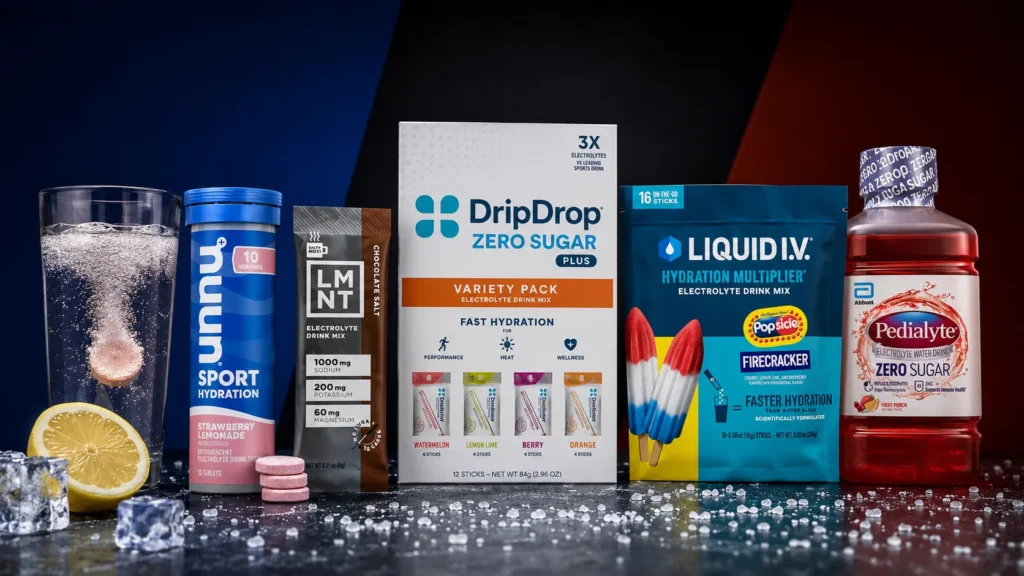
| Product | Sodium | Potassium | Magnesium | Sugar |
| DripDrop | 330 mg | 185 mg | 50 mg | 7 g |
| LMNT | 1,000 mg | 200 mg | 60 mg | 0 g |
| Liquid IV | 500 mg | 370 mg | 0 mg | 11 g |
| Pedialyte | 490 mg | 280 mg | 0 mg | 9 g |
| Nuun Sport | 300 mg | 150 mg | 25 mg | 1 g |
| Coconut Water | 64 mg | 515 mg | 14 mg | 6-8 g |
Top 6 Best Electrolyte Drinks for Hangover Nausea – Ranked
1. DripDrop – Best Overall for Hangover Recovery
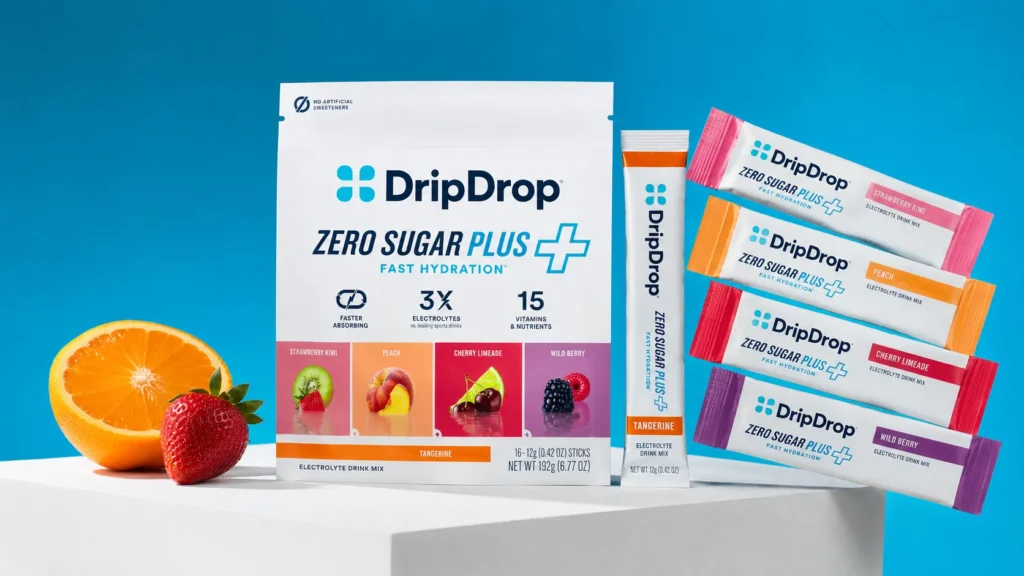
DripDrop earns the top position for hangover recovery for one specific reason: osmolality. Hydration researchers use a measurement called the Beverage Hydration Index (BHI) to compare how effectively different drinks rehydrate the body over four hours. DripDrop‘s WHO-based ORS formula achieves a BHI score of 2.3 in independent lab testing – the highest of any mainstream electrolyte product tested. Higher BHI means more effective fluid absorption per volume consumed.
For a morning when your stomach is already unhappy, getting maximum rehydration from minimum liquid consumed is exactly what you want. DripDrop delivers 330 mg sodium, 185 mg potassium, 50 mg magnesium, B vitamins, and vitamin C. The glucose-sodium pairing activates the intestinal cotransport pathway that speeds fluid absorption into the bloodstream. It’s the closest thing to a medical-grade hangover rehydration formula available without a prescription.
2. LMNT – Best for Serious Dehydration
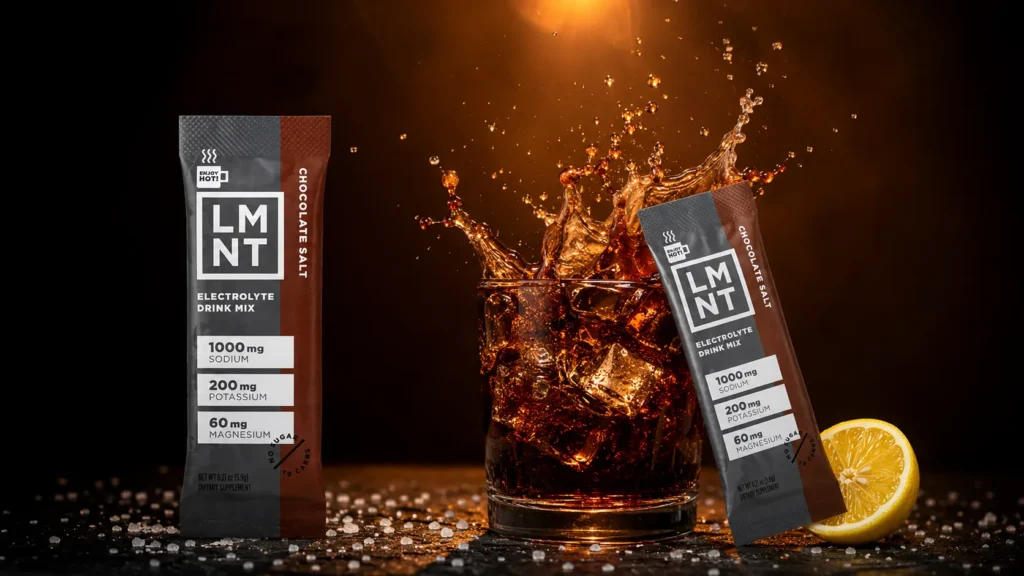
If you drank heavily in hot weather, did a lot of dancing, or drank over an extended period, the dehydration you’re managing is more severe – and that’s where LMNT stands out. At 1,000 mg of sodium per packet, LMNT delivers more sodium than any other mainstream electrolyte product. Sodium is the primary mineral controlling fluid retention after alcohol, and LMNT’s high dose means your body has more to work with when restoring blood volume and cellular hydration.
Zero sugar means no additional blood sugar spike on a stomach that’s already processing acetaldehyde. The magnesium malate is among the most bioavailable forms available. Use it with extra water – 20-32 oz rather than the standard 16 oz – when nausea is present, to dilute the concentration and make it easier on the stomach. Our article on how much sodium is in LMNT covers the sodium science in full if you want to understand why that 1,000 mg figure specifically matters for rehydration.
3. Liquid IV – Best for Faster Absorption
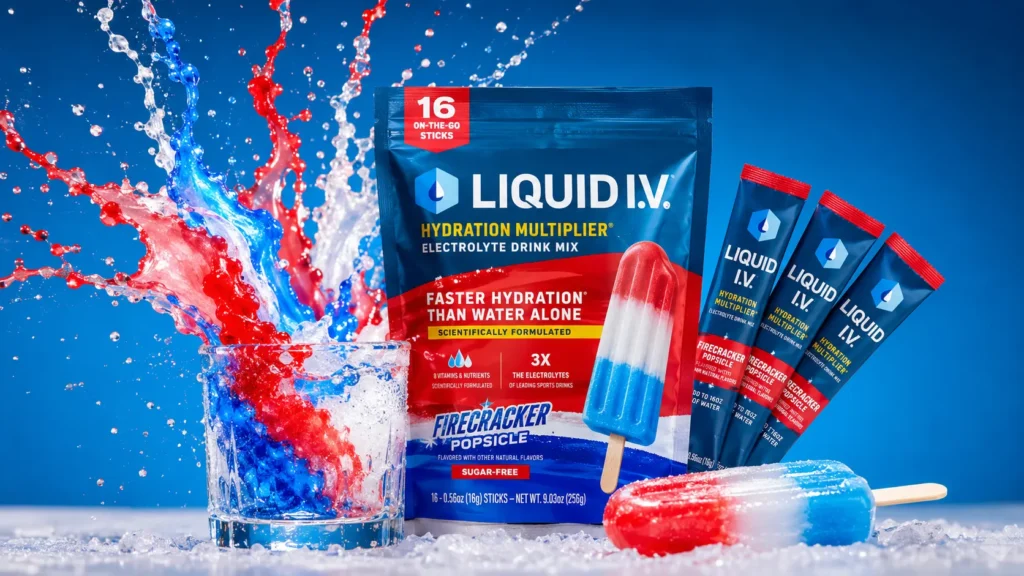
Liquid IV’s Cellular Transport Technology – the glucose-sodium cotransport mechanism based on WHO oral rehydration science – absorbs faster than plain electrolyte solutions. For a hangover where you need relief quickly and want to feel better within 30-60 minutes, that absorption speed matters. Each packet delivers 500 mg sodium, 370 mg potassium, B vitamins, and vitamin C. The 11 grams of sugar in the original version does help with glucose-sodium cotransport, but it also adds a caloric load that some queasy stomachs don’t appreciate. The sugar-free Liquid IV version using allulose and stevia is the better choice for hangover use specifically if your stomach is already unsettled. For a full comparison of LMNT and Liquid IV across all parameters, our LMNT vs Liquid IV breakdown covers every meaningful difference.
4. Pedialyte – Best Widely Available Option
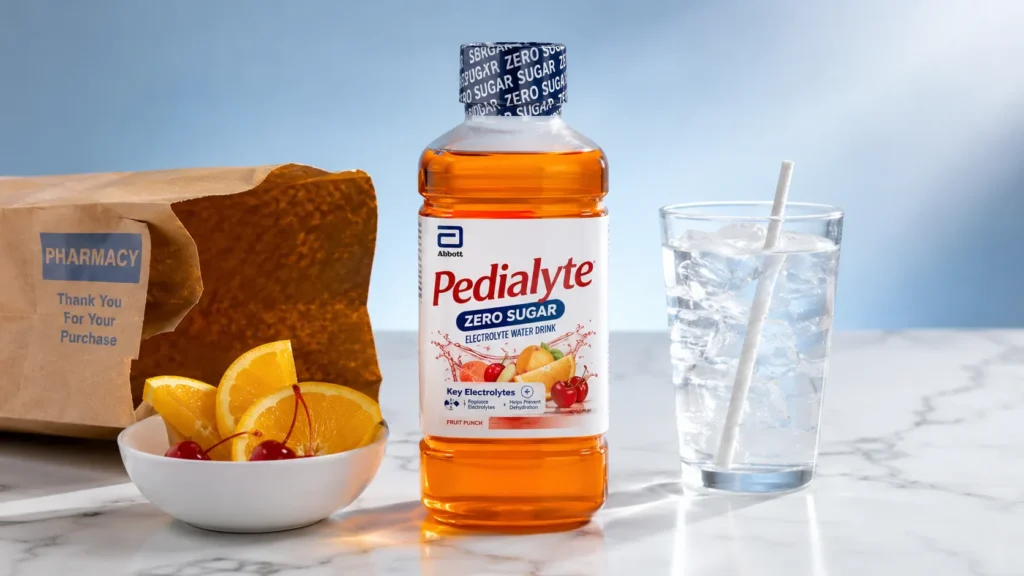
Pedialyte was formulated for clinical rehydration in children with illness – which is exactly why it works so well for alcohol-driven dehydration in adults. The formula delivers 490 mg sodium, 280 mg potassium, and 9 grams of sugar in a ratio calibrated for fast intestinal absorption. It’s available in virtually every pharmacy, grocery store, and gas station at any hour, which matters when you need it at 6 AM on a Sunday. The sugar content and gentle flavor profile make it easier on a nauseous stomach than higher-sugar sports drinks. The powder packets are more economical than the ready-to-drink bottles. No magnesium, no B vitamins – but for pure sodium and potassium replacement from a formula designed for clinical rehydration, Pedialyte is hard to beat on availability alone.
5. Nuun Sport – Best for Light to Moderate Hangovers
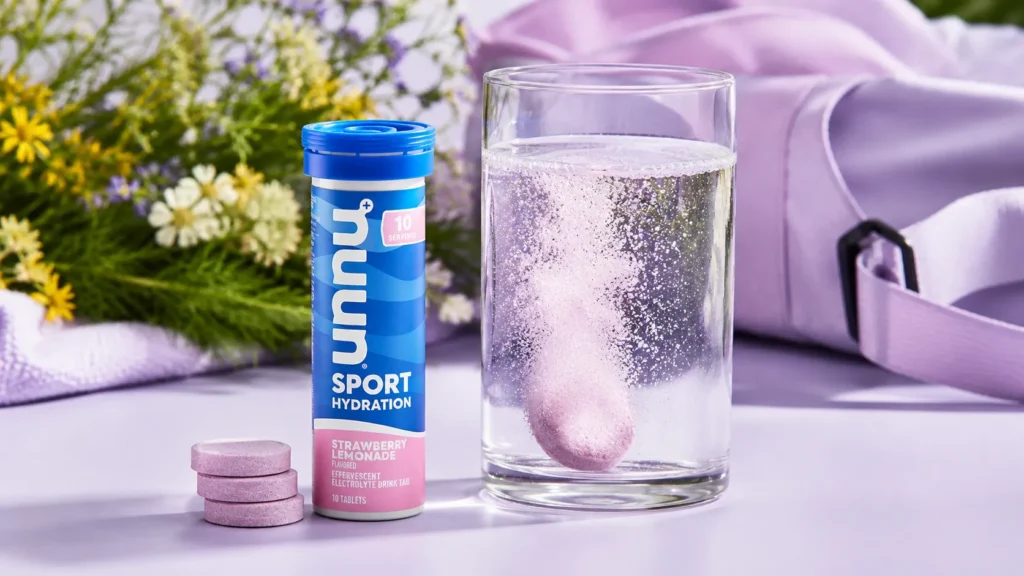
Nuun’s effervescent tablets cover the basics cleanly – 300 mg sodium, 150 mg potassium, 25 mg magnesium, 40 mg calcium, and only 1 gram of sugar per tablet. At a lower price point than most premium electrolyte powders and available in dozens of flavors, Nuun is a solid choice when the hangover is moderate rather than severe. The fizzing action helps the tablet dissolve quickly and many people find carbonated or fizzy drinks easier to tolerate when nausea is mild. Not the strongest option for aggressive rehydration after a rough night, but reliable for the 6-out-of-10 hangover situations that most people encounter.
6. Coconut Water – Best Natural Whole Food Option
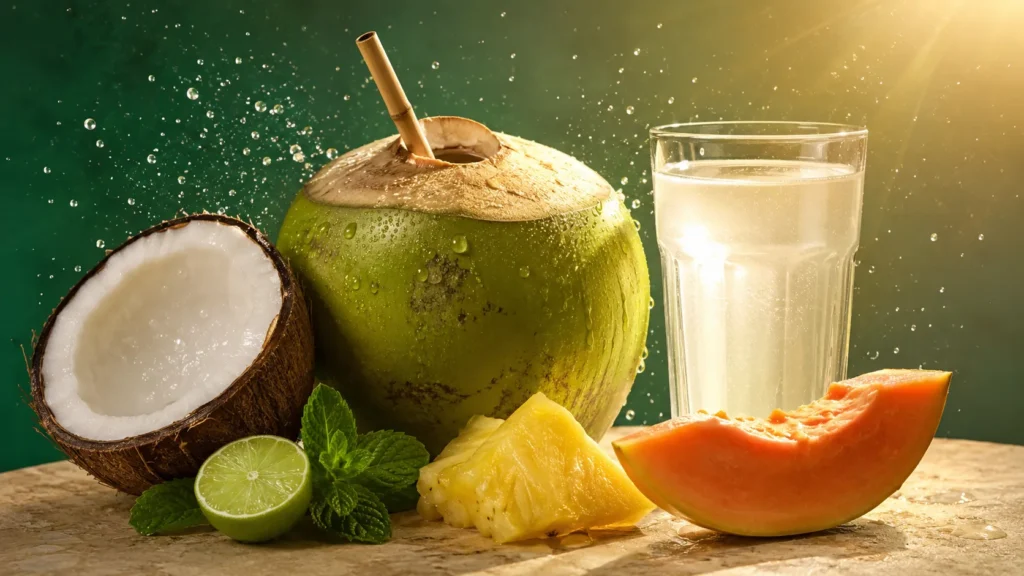
Unsweetened coconut water provides five electrolytes naturally – sodium (64 mg), potassium (515 mg), magnesium (14 mg), phosphorus, and calcium – in a format that most people’s stomachs tolerate easily. The potassium content is the highest of any option on this list, making it particularly useful if muscle weakness and fatigue are your dominant symptoms. The limitation is sodium: at only 64 mg per cup, coconut water alone won’t replace the sodium losses that drive headaches and poor fluid retention. For best results, drink coconut water alongside a pinch of added salt or pair it with salty food. It’s the most accessible natural electrolyte drink for hangovers if you don’t have a powder packet on hand.
What to Eat and Drink Alongside Electrolytes for Hangover Relief
The best electrolyte drink for hangover nausea works better with a supporting food strategy. Here’s what to eat and drink alongside your electrolyte choice:
- Eggs – contain cysteine, an amino acid that helps break down acetaldehyde in the liver; the protein also slows gastric emptying, which reduces nausea
- Bananas and avocado – natural potassium and magnesium sources that support the electrolyte drink’s mineral content
- Plain salted crackers or toast – easy on the stomach, provide sodium, and help absorb residual stomach acid
- Bone broth or miso soup – warm sodium and potassium delivery that’s gentle on an upset stomach and sits easier than cold liquids for many people
- Ginger tea – ginger has well-documented anti-nausea properties; a 2014 review in Integrative Medicine Insights confirmed ginger reduces nausea through both gastric and CNS mechanisms
- Coffee (optional, small amount) – can help with headache through caffeine’s blood vessel-constricting effect, but use sparingly as caffeine is also a mild diuretic
What to Avoid When Treating a Hangover
A few common mistakes make hangover nausea worse rather than better:
- “Hair of the dog” – another drink temporarily suppresses acetaldehyde symptoms by reintroducing alcohol, but delays and often worsens the overall recovery once that alcohol metabolizes
- Sugary sports drinks like regular Gatorade – 34 grams of sugar per bottle hits blood sugar hard on a system already metabolically stressed from alcohol processing
- Large volumes of plain water all at once – a churning stomach doesn’t absorb a liter of water; small sips of electrolyte-enhanced fluid absorb more effectively
- Greasy heavy food immediately – a common myth that greasy food absorbs alcohol is wrong; that only works before drinking. After drinking, heavy fat content can worsen nausea and slow gastric emptying
- Energy drinks – the combination of caffeine, sugar, and stimulants adds cardiovascular stress and diuretic effects to a system already taxed from alcohol
If severe vomiting is preventing you from keeping any fluid down, or if symptoms persist beyond 24 hours, that’s beyond what electrolyte drinks for hangovers can address – and medical evaluation becomes appropriate.
Final Verdict: Best Electrolyte Drink For Hangover Nausea
The best electrolyte drink for hangover nausea depends on how bad the night was and what symptoms you’re fighting most. DripDrop wins on overall rehydration efficiency with the highest BHI score of 2.3 and a WHO-formula base designed for serious dehydration. LMNT wins for severe dehydration where high sodium replacement is the priority. Liquid IV wins for fast absorption when you need to feel better quickly. Pedialyte wins for middle-of-the-night availability when you don’t have a powder packet. Nuun wins for light-to-moderate hangovers on a budget. Coconut water wins as a whole-food natural option, especially when muscle fatigue and low potassium are the dominant complaints.
Remember: do electrolytes cure hangovers completely? No. They address the dehydration and mineral depletion components effectively – and those components are often responsible for the worst of what you feel. The inflammation and acetaldehyde sides of the hangover resolve on their own as your body finishes processing the alcohol. Electrolytes make that waiting period significantly more bearable.
And the timing answer matters most of all. Should I take electrolytes before or after alcohol? Before bed is the single highest-impact moment. During drinking is what the clinical evidence most supports. Morning-after still works. If you prioritize one habit, make it the pre-sleep electrolyte drink – it’s the easiest way to wake up meaningfully better than you would have otherwise.
If you want to understand how these products compare across other use cases – including fasting, keto, and daily hydration – our guides on do electrolytes break a fast and electrolytes for keto flu headache cover those situations in the same depth.
| Disclaimer: This article is for informational purposes only and does not constitute medical advice. Alcohol consumption carries serious health risks. If you experience severe symptoms including confusion, irregular heartbeat, or symptoms lasting beyond 24 hours, seek medical attention immediately. |
Frequently Asked Questions (FAQ)
The most searched questions about electrolytes and hangover nausea – answered directly.
Q1. What is the best electrolyte drink for hangover nausea?
The best electrolyte drink for hangover nausea overall is DripDrop, which achieves the highest Beverage Hydration Index score (2.3) of any mainstream product and uses a WHO oral rehydration formula with sodium, potassium, magnesium, and B vitamins. For severe dehydration after a heavy night, LMNT’s 1,000 mg sodium delivers the strongest sodium replacement. Pedialyte wins for middle-of-the-night availability at any pharmacy.
Q2. Do electrolytes help hangover nausea?
Do electrolytes help hangover nausea? Yes – for the dehydration-driven portion. A Journal of Clinical Medicine study found electrolyte beverages reduced hangover severity by approximately 50% compared to water alone. They help with headache, fatigue, thirst, dizziness, and dehydration-driven nausea. They don’t directly address nausea caused by acetaldehyde buildup, which is the liver’s toxic metabolite from breaking down alcohol.
Q3. Do electrolytes cure hangovers?
No – do electrolytes cure hangovers is the wrong expectation. Electrolytes effectively address the dehydration and mineral depletion components of a hangover. The 2024 Utrecht University study confirmed that inflammation from alcohol metabolism is the primary driver of hangover severity – and electrolytes don’t affect that. They make the experience significantly more manageable, but the full recovery still requires time for your liver to finish processing alcohol.
Q4. Should I take electrolytes before or after alcohol?
Should I take electrolytes before or after alcohol? Both, but before bed is the single highest-impact moment. Clinical research from the Journal of Clinical Medicine found that consuming electrolytes during drinking – not just before or after – produced the most significant reduction in hangover severity. Drinking a full electrolyte packet before sleep lets your body rehydrate for 6-8 hours while you’re stationary. Morning-after use also helps but starts from a larger mineral deficit.
Q5. What electrolytes does alcohol deplete most?
Alcohol depletes sodium first and most critically – sodium loss is what drives poor water retention and headache. Potassium loss follows and contributes to fatigue and muscle weakness. Magnesium is specifically excreted at elevated rates during alcohol metabolism, beyond normal fluid loss. B vitamins – particularly B1, B6, and B12 – also deplete significantly. The best electrolyte drinks for hangovers target all four of these.
This article contains affiliate links. If you purchase through our links, we may earn a commission at no extra cost to you. We only recommend products we genuinely believe in. Read our Affiliate Disclaimer for full details.