
Electrolytes for pregnancy nausea can help replace fluids and minerals lost through vomiting, but they do not treat the underlying cause of morning sickness. Choose products by the exact sodium, potassium, sugar, vitamins, sweeteners, and added ingredients, and discuss regular supplement use with your obstetric clinician. Small, frequent sips may be easier to tolerate than a large drink, while persistent vomiting, reduced urination, dizziness, or inability to keep fluids down needs prompt medical advice.
Table of Contents
This guide covers all of it: why pregnancy increases your electrolyte needs, how electrolytes for pregnancy help with morning sickness, the best hydration drinks for pregnant women based on clean ingredient standards, the role of ORS for pregnant women in managing severe cases, and what to be cautious about when drinking electrolytes while pregnant every day.
Why Pregnancy Changes Your Hydration and Electrolyte Needs
Pregnancy isn’t just one of the most physically demanding experiences your body will go through – it fundamentally reshapes your fluid and mineral requirements from day one. Your blood volume increases by approximately 50% during pregnancy to ensure the baby receives adequate oxygen and nutrients. Your kidneys filter more fluid. Your body retains more water. And your cells demand more minerals to carry out the chemical reactions that support both maternal function and fetal development.
According to the American College of Obstetricians and Gynecologists (ACOG), pregnant women should consume 8-12 cups of fluid daily – significantly more than the standard adult recommendation. That baseline alone is challenging. Layer morning sickness on top, and the challenge becomes keeping any fluid in your system long enough to count.
Each vomiting episode depletes sodium, potassium, chloride, and magnesium simultaneously. Without replacing them, the cycle reinforces itself: electrolyte imbalance increases nausea, which causes more vomiting, which depletes more minerals. Research published in Obstetrics & Gynecology confirms that electrolyte-enhanced fluids help pregnant women retain hydration significantly better than water alone – and strategic electrolytes for pregnancy replacement measurably reduced hospitalization rates for women with severe morning sickness in multiple clinical reviews.
How Electrolytes For Pregnancy Nausea Actually Help

Here’s the honest picture. Electrolytes don’t directly suppress nausea the way medication does. What they do is address the dehydration-nausea cycle that makes morning sickness so relentless and difficult to break.
When you’re dehydrated, nausea worsens. When nausea worsens, you vomit. When you vomit, you lose more electrolytes. Without replacing those minerals, your body can’t effectively absorb and hold onto the water you try to drink – meaning plain water alone sometimes passes through without actually hydrating you at the cellular level.
Seeking Health’s clinical review notes that many pregnant women find small, frequent sips of an electrolyte drink easier to tolerate than equivalent volumes of plain water during active nausea. The sour or salty taste of some formulas also settles nausea for certain women, which is an additional practical benefit reported consistently. Electrolytes for pregnancy nausea work by breaking the dehydration loop rather than suppressing the neurological signals causing nausea directly.
Certain hydration drinks for pregnant women also include Vitamin B6 (pyridoxine) – a vitamin with documented nausea-reduction benefits in pregnancy. A 2019 review in Obstetrics & Gynecology confirmed that Vitamin B6 supplementation reduces vomiting frequency and severity in pregnant women. Products specifically formulated for pregnancy nausea sometimes add B6 alongside electrolytes for this combined effect.
The Four Key Electrolytes That Matter During Pregnancy
Sodium – Blood Volume and Fluid Retention
Sodium is the primary electrolyte governing how much water stays in your bloodstream rather than passing through. During pregnancy, blood volume expansion makes adequate sodium particularly important. Without sufficient sodium, the extra fluid your body needs to circulate for both you and your baby doesn’t hold effectively. According to Salt of the Earth’s clinically referenced guide, maintaining adequate sodium supports nutrient delivery to the growing fetus and prevents the drop in blood volume that can trigger dizziness and fainting – a concern that intensifies with the vascular changes of pregnancy.
Sodium needs context here: the goal isn’t high sodium intake, it’s consistent and adequate sodium, particularly when vomiting is removing it regularly. The American Migraine Foundation and multiple obstetric resources note that sodium losses from repeated vomiting compound quickly and require conscious replacement through food and fluids alike.
Potassium – Cramp Prevention and Heart Function
Pregnancy-related leg cramps affect up to 50% of pregnant women, particularly in the second and third trimesters. Potassium is the mineral most directly involved in whether your muscles properly “switch off” after contracting. Low potassium keeps muscle fibers in a contracted state longer – which is what a cramp is. If you’ve been waking up at night with calf cramps alongside your nausea, potassium depletion is very likely a contributing factor. Our full article on best electrolytes for leg cramps at night covers this connection in detail and the specific minerals that help most.
Potassium also regulates blood pressure and heart rhythm – both of which the cardiovascular changes of pregnancy directly affect. The FDA daily value is 4,700 mg, and pregnancy doesn’t formally change that target, but vomiting-driven losses mean most women with morning sickness fall consistently short.
Magnesium – Cramps, Contractions, and Fetal Development
Magnesium is arguably the most critical mineral to track during pregnancy beyond prenatal vitamins. WeNatal’s expert review emphasizes that magnesium supports muscle function to prevent cramping, helps maintain stable blood pressure, may aid in reducing the risk of premature labor, and supports fetal bone development as the pregnancy progresses. Research also suggests adequate magnesium may reduce preeclampsia risk – a serious pregnancy complication involving dangerous blood pressure elevation.
Magnesium deficiency is common in the general population (nearly 50% of American adults fall below requirements per NIH 2024 data), and pregnancy amplifies this through both increased demand and vomiting-driven losses. When choosing electrolytes for pregnancy, look for products that include magnesium in bioavailable forms such as malate, glycinate, or citrate rather than oxide, which absorbs poorly.
Calcium – Fetal Bone Formation and Maternal Protection
Calcium is essential for fetal bone and teeth formation, and pregnancy is the period where the baby’s demand for maternal calcium is highest. If dietary and supplemental calcium falls short, the baby draws from maternal bone stores – a process that happens silently but has long-term consequences for maternal bone density. Most prenatal vitamins include calcium, but vomiting-driven losses and digestive changes can disrupt absorption. Calcium also supports nerve and muscle function, which intersects with the cramping and discomfort many pregnant women experience.
ORS for Pregnant Women – The Clinical Standard
ORS for pregnant women – Oral Rehydration Solution – is the WHO-endorsed standard for treating dehydration caused by fluid losses including vomiting. ORS works by pairing glucose with sodium to activate the sodium-glucose cotransport pathway in the small intestine, which pulls water and electrolytes into the bloodstream faster than osmosis alone. This mechanism is what makes ORS significantly more effective than plain water for rehydration during active vomiting.
Clinical obstetric resources confirm that ORS is safe for use during pregnancy and is often recommended as a first-line intervention before IV fluids become necessary for women with moderate morning sickness dehydration. A study referenced in Wegrzyniak, Repke, and Ural’s (2012) clinical review of hyperemesis gravidarum showed that appropriate fluid and electrolyte replacement through ORS significantly reduced the need for hospitalization in women with severe morning sickness when started early enough.
Commercial products built on ORS principles – including DripDrop, which achieves a Beverage Hydration Index score of 2.3 in independent testing – use the glucose-sodium pairing in WHO ORS-calibrated ratios. For ORS for pregnant women specifically, low-sugar or sugar-reduced versions are preferable where available, as they maintain the absorption mechanism while reducing the glucose load that excessive sugar adds. Always check with your OB before starting any new supplement during pregnancy.
Drinking Electrolytes While Pregnant – Is It Safe?
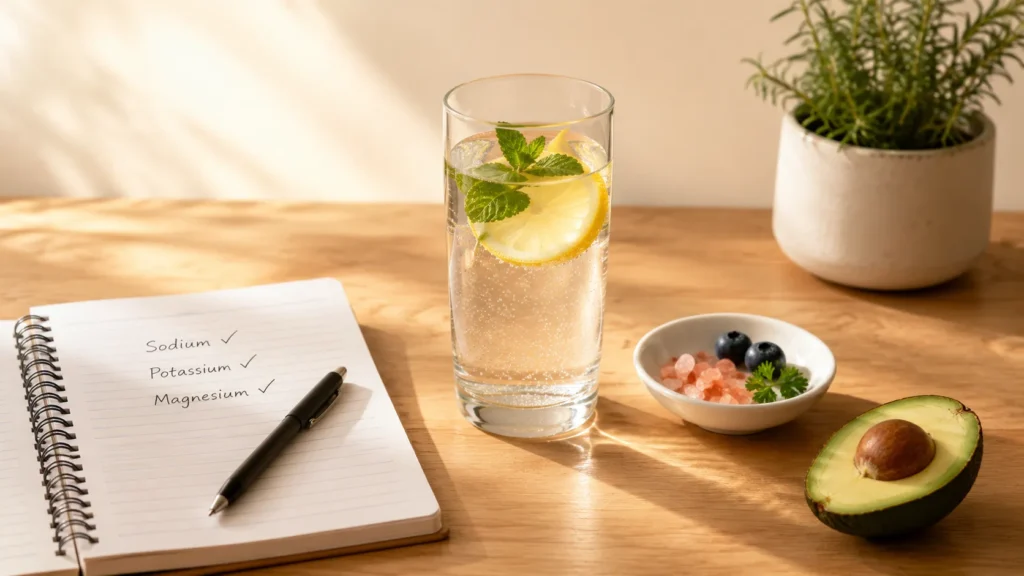
Drinking electrolytes while pregnant is generally safe for most women with a normal pregnancy when the product is appropriately formulated. The key qualifiers are the formula itself and any underlying health conditions.
Kin Fertility’s comprehensive pregnancy hydration review confirms that electrolyte drinks can safely support hydration during pregnancy, with two important caveats: the product should be free from excessive sodium beyond what the specific clinical situation requires, and it should not contain ingredients like high-dose caffeine, alcohol, unpasteurized components, or artificial sweeteners with limited pregnancy safety data.
Lyte Line’s registered dietitian review notes that for most pregnant women, moderate use of electrolyte drinks helps maintain hydration support appropriately, and that beverages with added sugar, artificial sweeteners, or unnecessary additives should be limited. This isn’t about eliminating electrolyte drinks – it’s about choosing the right ones.
WeNatal specifically flags sucralose as worth avoiding during pregnancy because research suggests it may disrupt the gut microbiome – and gut health directly affects nausea severity and digestion during pregnancy. This is a practical consideration when selecting among mainstream electrolyte products, many of which use sucralose as a sweetener.
Best Hydration Drinks for Pregnant Women
When evaluating hydration drinks for pregnant women, the priority list is: no artificial sweeteners (especially no sucralose or aspartame), low or zero sugar where possible, meaningful magnesium and potassium alongside sodium, and no caffeine or stimulants. With those standards in mind, these are the most appropriate options:
LMNT – Best for Clean Formula and Magnesium
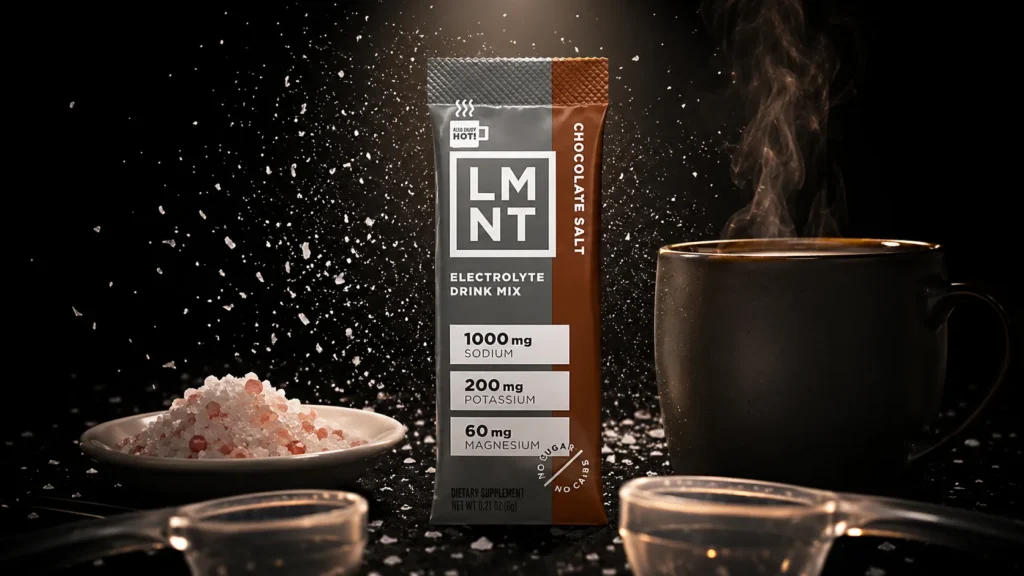
LMNT delivers 1,000 mg sodium, 200 mg potassium, and 60 mg of magnesium malate per packet with zero sugar, zero artificial sweeteners, and no artificial colors. Multiple pregnancy resource reviews recommend LMNT specifically because its ingredient list contains nothing beyond the three minerals and stevia for flavoring in the non-unflavored versions. The Raw Unflavored version carries zero additives whatsoever – just sodium chloride, potassium chloride, and magnesium malate. For our full breakdown of the sodium levels and what they mean for daily hydration, our article on how much sodium is in LMNT covers the science in depth.
DripDrop – Best for Absorption Speed (Nausea Context)
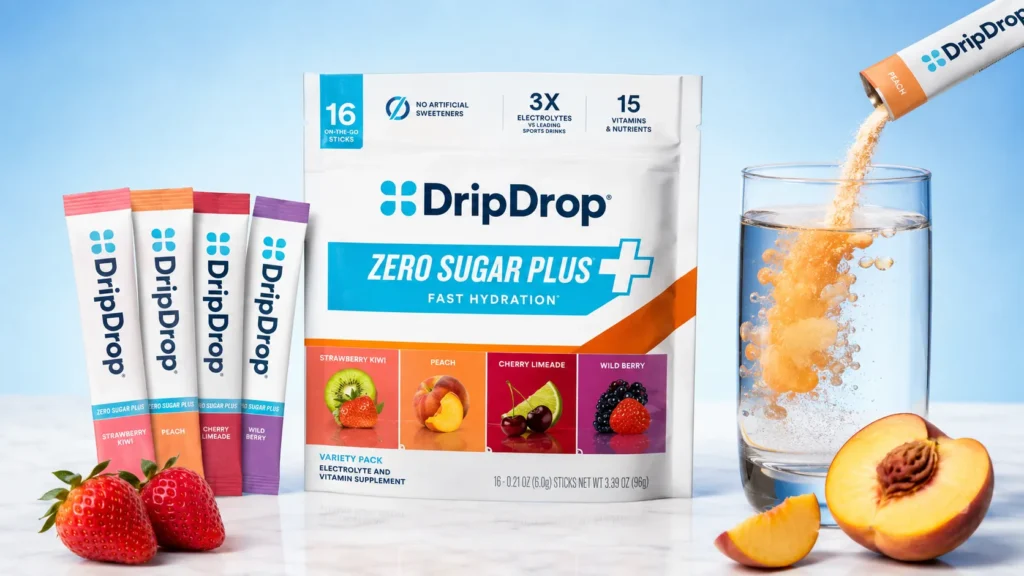
DripDrop’s WHO ORS-calibrated formula absorbs faster than standard electrolyte drinks due to its glucose-sodium cotransport mechanism. When vomiting limits how much fluid you can retain, faster absorption per sip matters. DripDrop also includes Vitamin B6 in some of its formulas, which adds the documented nausea-reducing benefit that pregnancy-specific products increasingly include. The lower-sugar version uses less glucose while maintaining the ORS absorption mechanism.
Ultima Replenisher – Best for Magnesium and Breadth
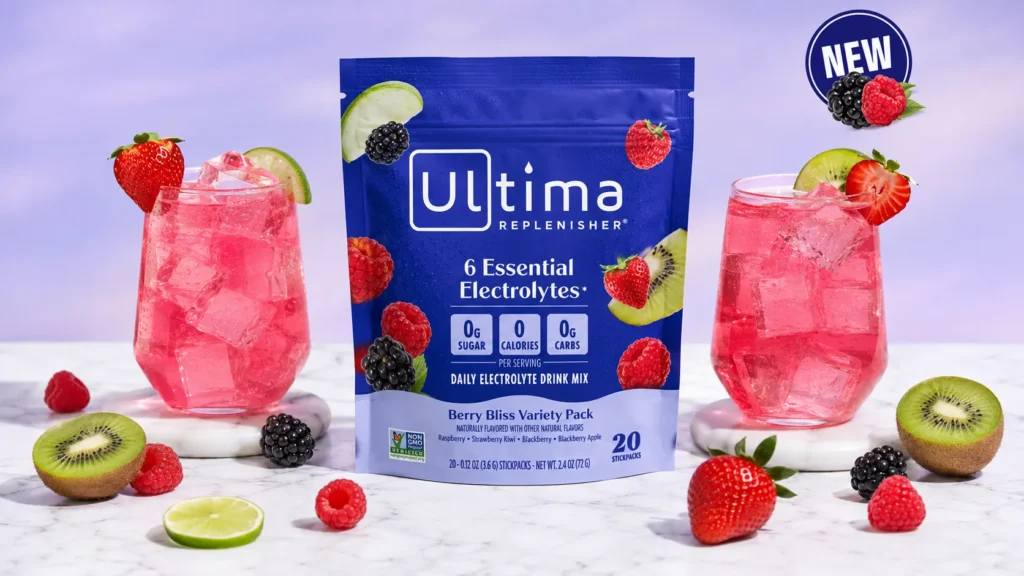
Ultima provides 100 mg of magnesium per serving – the highest of any mainstream zero-sugar electrolyte product – alongside 250 mg potassium, sodium, calcium, zinc, and chloride. The calcium content (alongside prenatal vitamin calcium) is particularly relevant for pregnancy. Zero sugar, stevia-sweetened, no artificial additives. The canister format is cost-effective for daily use through the full pregnancy. For a comparison of how Ultima stacks up against LMNT on all minerals, our Ultima vs LMNT comparison covers the full picture.
Coconut Water – Best Natural Whole Food Option

Unsweetened, 100% pure coconut water provides five electrolytes naturally: potassium (515 mg per cup), sodium (64 mg), magnesium (14 mg), calcium, and phosphorus. No artificial additives. The mild, slightly sweet taste is generally well-tolerated during nausea when more intense flavors aren’t. The limitation is low sodium – which means it works best alongside food containing salt or paired with a small sodium boost. As a daily hydration drink for pregnant women that avoids every additive concern, coconut water is one of the most universally recommended options by OBs and midwives.
Pedialyte – Best for Emergency Availability
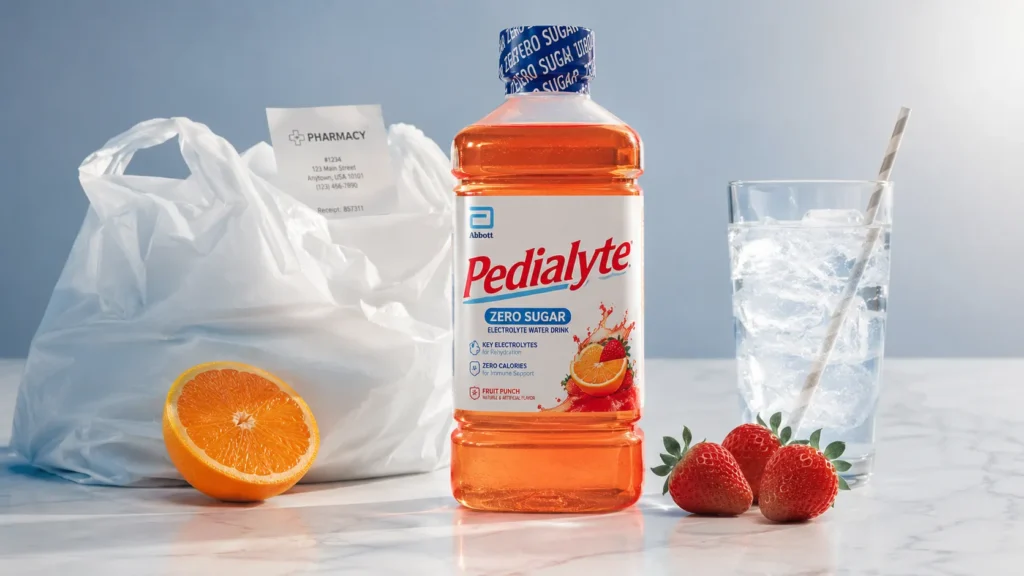
Pedialyte is based on WHO ORS principles and is widely recognized as safe during pregnancy by healthcare providers. It’s available at virtually every pharmacy at any hour – which matters at 3 AM during a particularly bad nausea episode. WeNatal notes that Pedialyte’s mineral ratios are calibrated for short-term illness dehydration rather than pregnancy-specific needs, which makes it useful for acute situations but less ideal for long-term daily use. Check labels – some Pedialyte varieties contain sucralose, which the pregnancy resources above flag for caution.
What to Avoid in Pregnancy Electrolyte Drinks
| Ingredients to Check and Avoid During Pregnancy Sucralose: may disrupt gut microbiome; research on long-term pregnancy effects is limited; can worsen bloating and nausea – both common pregnancy complaints (WeNatal, 2025). Aspartame: limited pregnancy-specific research; generally recommended to avoid by conservative obstetric guidelines as a precaution. Excessive sugar: standard Gatorade (34g sugar per bottle) and similar drinks spike blood sugar without providing meaningful mineral replacement – counterproductive during pregnancy when blood sugar regulation is already under strain. Caffeine: even moderate caffeine is restricted to under 200 mg per day during pregnancy by ACOG. Most electrolyte products don’t contain caffeine – but energy drinks marketed as electrolyte products sometimes do. High-dose vitamins beyond prenatal ranges: some wellness electrolyte products add Vitamin A, Vitamin E, or other fat-soluble vitamins at levels that can exceed safe prenatal ranges when stacked with a prenatal vitamin. Check totals. |
Practical Sipping Tips for Electrolytes During Pregnancy Nausea
| How to Drink Electrolytes When Nausea Is Severe Sip small amounts frequently rather than large glasses. Most obstetric guides recommend 1-2 oz every 5-10 minutes when nausea is active – this prevents the stomach fullness that triggers vomiting while still delivering minerals continuously. Serve electrolyte drinks cold or at room temperature. Salt of the Earth’s pregnancy guide notes that cold drinks are easier for most pregnant women to tolerate during active nausea than warm or hot liquids. Add electrolytes to ice chips if vomiting is severe. Sucking on electrolyte-enhanced ice chips lets minerals absorb through the mouth tissue gradually – a method some midwives and OBs recommend when keeping liquid down is impossible. Drink first thing in the morning before rising. Electrolyte intake before getting out of bed can help manage the blood volume dip that often contributes to morning nausea severity. Pair with bland food when possible. Toast, crackers, or rice alongside your electrolyte drink helps slow gastric emptying and reduces the likelihood of vomiting the fluid you’ve just consumed. |
Final Verdict: Electrolytes For Pregnancy Nausea
The research supports using electrolytes for pregnancy nausea as a genuine, evidence-backed tool – not just for rehydrating after vomiting, but for maintaining the mineral baseline that prevents dehydration from compounding the nausea cycle. The Obstetrics & Gynecology evidence showing reduced hospitalization rates when electrolyte replacement is applied strategically is the clearest proof that this approach works in real clinical practice.
For most pregnant women, drinking electrolytes while pregnant is safe and beneficial when the product avoids sucralose, aspartame, excessive sugar, caffeine, and high-dose fat-soluble vitamins. LMNT covers sodium, potassium, and magnesium with the cleanest formula on the market. DripDrop provides faster absorption for acute vomiting situations using WHO ORS principles. Ultima Replenisher offers the highest magnesium per serving with broader mineral coverage. Coconut water is the safest natural option with no additive concerns. Pedialyte is widely available for emergency situations.
The most important practical change: stop trying to drink large glasses of water and switch to small, frequent sips of an appropriate electrolyte drink throughout the day. It’s a simple shift that the clinical evidence consistently shows makes a real difference. And if symptoms escalate beyond what home management can handle, get medical support – HG is serious and ORS for pregnant women at home has its limits when the condition is severe.
| Disclaimer: This article is for informational purposes only and does not constitute medical advice. Always consult your obstetrician or midwife before adding any new supplement to your pregnancy routine, particularly if you have blood pressure concerns, kidney conditions, or a high-risk pregnancy. |
Frequently Asked Questions (FAQ)
The most searched questions about electrolytes and pregnancy nausea – answered clearly.
Q1. What are the best electrolytes for pregnancy nausea?
The best electrolytes for pregnancy nausea are products that include sodium, potassium, and magnesium without artificial sweeteners, caffeine, or excessive sugar. LMNT is the strongest clean formula option. DripDrop works best for acute vomiting situations due to its WHO ORS-based absorption mechanism. Ultima Replenisher provides the broadest mineral coverage with the highest magnesium content. Coconut water is the cleanest natural whole-food option.
Q2. Is drinking electrolytes while pregnant safe?
Drinking electrolytes while pregnant is generally safe for most women with a normal pregnancy when the product is appropriately formulated. The key is avoiding sucralose, aspartame, high-dose stimulants, and fat-soluble vitamins that could exceed safe prenatal ranges when combined with a prenatal vitamin. Always confirm with your OB before starting any new supplement.
Q3. What is ORS for pregnant women and should I use it?
ORS for pregnant women – Oral Rehydration Solution – is the WHO-endorsed clinical standard for treating dehydration from vomiting. It works by pairing glucose with sodium to activate a specific intestinal absorption pathway that delivers fluid into the bloodstream faster than plain water. Products like DripDrop are built on ORS science. ORS is safe during pregnancy and often recommended by OBs as a first intervention when vomiting causes moderate dehydration before IV fluids are needed.
Q4. What hydration drinks are best for pregnant women?
The best hydration drinks for pregnant women are: LMNT (clean formula, all three core minerals, no artificial additives), DripDrop (fast-absorbing WHO ORS formula, includes B6 in some variants), Ultima Replenisher (highest magnesium, broadest mineral coverage, zero sugar), coconut water (five natural electrolytes, no additives), and Pedialyte for emergency availability. Avoid drinks with sucralose, aspartame, caffeine, or more than 10-15g of sugar per serving.
Q5. Can electrolytes stop morning sickness?
Electrolytes don’t directly stop the neurological signals that cause morning sickness nausea. What they do is break the dehydration-nausea cycle: when you’re adequately hydrated with minerals, nausea often becomes less severe and the body handles what you eat and drink better. Research in Obstetrics & Gynecology found strategic electrolytes for pregnancy replacement reduced hospitalization rates for severe morning sickness, which is strong evidence that the approach genuinely helps manage the condition.
This article contains affiliate links. If you purchase through our links, we may earn a commission at no extra cost to you. We only recommend products we genuinely believe in. Read our Affiliate Disclaimer for full details.