Do electrolytes break a fast? Pure sodium, potassium, magnesium, and calcium do not provide calories, but a commercial electrolyte drink may contain sugar, amino acids, carbohydrates, or other ingredients that conflict with a particular fasting protocol. The practical answer depends on whether your goal is calorie restriction, blood glucose control, religious observance, or a strict water-only fast. Check the Nutrition Facts and ingredient list instead of relying on the word electrolytes alone.
Table of Contents
The short answer is no – pure electrolytes do not break a fast. But like most nutrition topics, the full picture has real nuance worth knowing. This article covers all of it, from the science behind what actually breaks a fast, to specific products like LMNT and Propel, and what to look for on labels before you sip.
What Actually Breaks a Fast? Start Here

Before we answer whether do electrolytes break fast or not, you need to understand what breaking a fast actually means. A fast gets broken when you consume something that triggers an insulin response. Insulin is the hormone your body releases in response to glucose, protein, or certain other caloric compounds in the bloodstream. Once insulin rises meaningfully, your body exits the fasted metabolic state – fat burning slows, autophagy pauses, and blood sugar shifts.
This means calories are the real gating factor. Pure minerals like sodium, potassium, magnesium, and calcium contain zero calories and zero carbohydrates. They don’t get metabolized for energy the way food macronutrients do. As a result, they don’t raise insulin, and they don’t interrupt the fasted state. According to BUBS Naturals, a brand that has published detailed research-backed content on fasting and hydration, pure electrolytes support nerve function and hydration without triggering the metabolic response that ends a fast.
So the baseline answer to “does electrolyte break fast” is: no, when you’re consuming pure, zero-calorie mineral forms.
Do Electrolytes Break a Fast? The Direct Answer
No – do electrolytes break a fast has a clear negative answer for clean, zero-sugar formulas. Here’s why this holds up scientifically:
- Electrolytes carry no calories and no carbohydrates
- They don’t raise blood glucose levels
- They produce no insulin response
- They don’t interrupt autophagy – the cellular cleaning process fasting triggers
- Minerals require minimal digestive processing to absorb
LMNT’s science blog states directly that electrolytes are excreted faster during fasting – especially sodium – because lower insulin tells the kidneys to flush more fluid. This is exactly why electrolyte supplementation during a fast isn’t just acceptable; in many cases, it’s necessary. The question isn’t really “do electrolytes break your fast” – it’s “which electrolyte product am I choosing?”
Does Drinking Electrolytes Break a Fast During Intermittent Fasting?

Intermittent fasting (IF) is probably the most common context for this question. Whether you follow a 16:8, 18:6, or OMAD protocol, the core rule is the same: keep your fasting window free of anything that triggers insulin. So does drinking electrolytes break a fast within that window?
The answer is still no – provided the product you’re drinking is calorie-free or nearly calorie-free. According to The Manual, which interviewed a certified nutritionist on this exact topic, electrolytes simply facilitate electrical processes and cellular hydration without providing energy from calories. They don’t instigate the metabolic response that triggers the fed state.
The reason this matters more during intermittent fasting is that IF-specific physiology. When you restrict food, insulin drops, and your kidneys respond by excreting more sodium – sometimes significantly more. This leads to the classic fasting side effects: headaches, dizziness, muscle cramps, and brain fog. These aren’t signs that your fast is working well. They’re signs of electrolyte depletion. If you’ve been dealing with headaches during your fasting window specifically, our article on 5 best electrolyte drinks for migraine covers which options actually help.
So does drinking electrolytes break a fast? No – and skipping them during a long fasting window often makes the experience unnecessarily rough.
Do Electrolyte Drinks Break a Fast? It Depends on the Label
Do electrolyte drinks break a fast? This is where the answer gets more nuanced – because “electrolyte drink” is a wide category.
There’s a massive difference between a clean electrolyte mix with zero sugar and a mainstream sports drink that happens to list “electrolytes” on the front of the bottle. Products like Gatorade Thirst Quencher contain upward of 34 grams of sugar per bottle. That absolutely breaks a fast. On the other end, products formulated specifically for low-carb and fasting lifestyles use only mineral salts and zero-calorie sweeteners.
When you’re asking do electrolyte drinks break a fast, here’s what the label needs to confirm for the answer to be no:
- Zero sugar – no sucrose, dextrose, fructose, or maltodextrin
- Zero grams of carbohydrates
- Zero or trace calories (under 10 calories is generally considered safe by most IF practitioners)
- Sweetener used is stevia or monk fruit – both are generally safe for fasting
Some electrolyte drinks use sucralose or acesulfame potassium (ace-K). These are technically zero-calorie but research suggests they may trigger small insulin responses in some individuals. If you’re strict about your fasting protocol – especially for autophagy purposes – look for stevia-sweetened or unsweetened options instead.
Do Electrolyte Supplements Break a Fast?
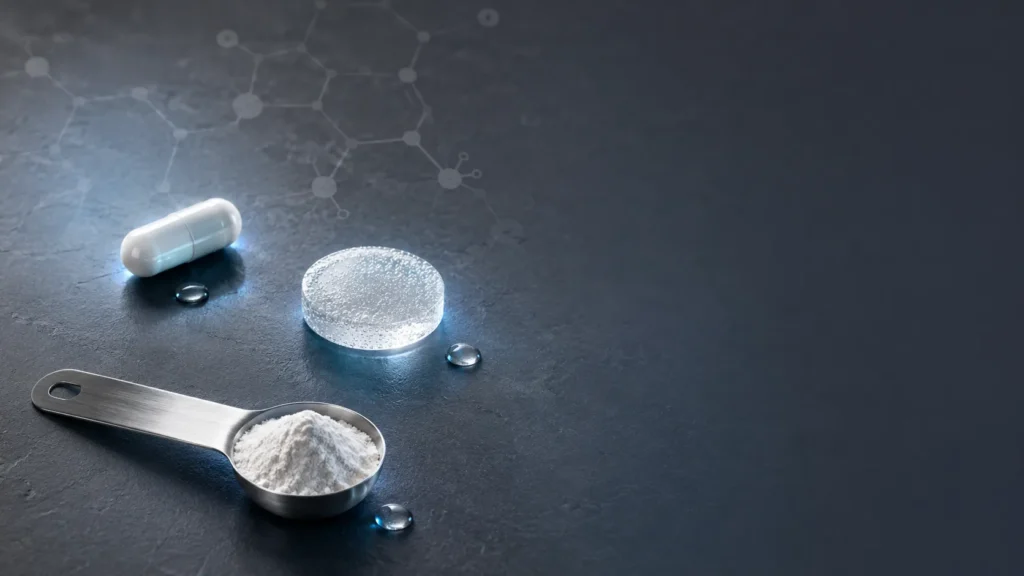
Powders and drink mixes get most of the attention, but do electrolyte supplements break a fast in capsule or powder form? This depends entirely on what else is in the formula.
Many electrolyte capsule supplements contain only mineral compounds – sodium chloride, potassium citrate, magnesium malate or glycinate, and sometimes calcium. These are calorie-free. Taking them with water during a fasting window won’t break your fast. They dissolve, enter the bloodstream as ions, support nerve and muscle function, and exit the body through urine – all without triggering insulin.
Where do electrolyte supplements break a fast becomes a genuine concern is with capsule products that include excipients like microcrystalline cellulose, stearic acid, or gelatin-coated capsules. These contribute trace, negligible calories – but for most fasting protocols, the threshold is too low to matter. The exception is strict water-only extended fasting, where even minor ingredients may technically violate the protocol depending on your specific goals.
Do Electrolyte Tablets Break a Fast?
Do electrolyte tablets break a fast? The answer mirrors supplements: it depends on what’s in the tablet beyond the minerals.
Popular electrolyte tablet brands like Nuun contain minerals but also use citric acid, sorbitol, and sometimes a small amount of dextrose to aid absorption. Sorbitol and dextrose are carbohydrates and technically carry calories – though the amounts in a single tablet are minimal (usually 2–4 calories). For most intermittent fasting protocols, this amount won’t meaningfully raise insulin or break the fast.
But do electrolyte tablets break a fast in a stricter sense? For autophagy-focused fasting, some researchers and practitioners draw the line at anything beyond water, black coffee, or plain tea. In that context, even 4 calories from a tablet could technically count. If autophagy is your primary fasting goal, choose an unflavored electrolyte powder or capsule containing only pure mineral salts.
For the vast majority of people doing standard intermittent fasting for weight management or metabolic health, plain or lightly caloric electrolyte tablets are considered fasting-safe. The key is avoiding tablets with added glucose, sucrose, or fructose syrups.
Does LMNT Break a Fast?
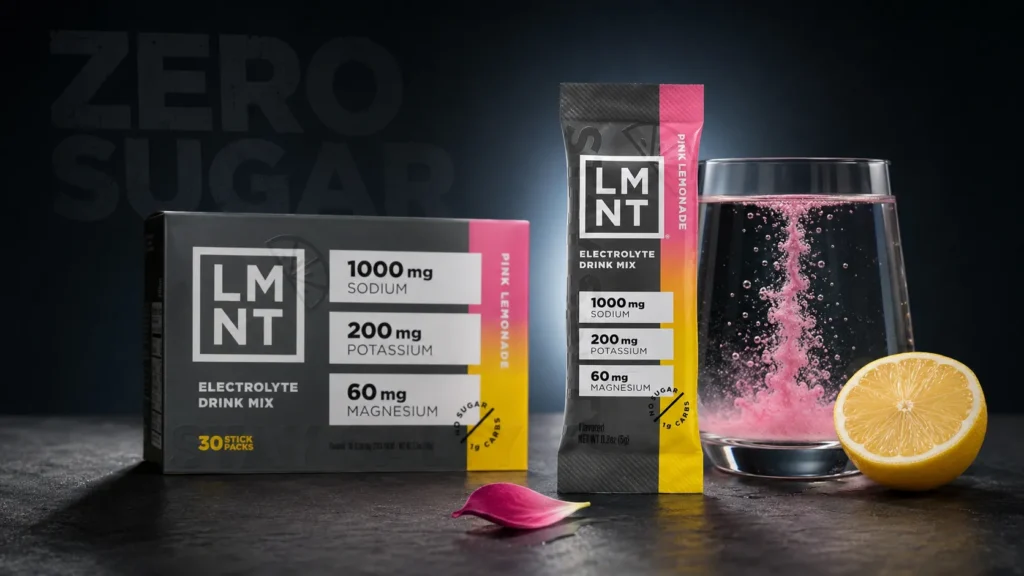
Does LMNT break a fast? According to LMNT’s official support documentation, the answer is no. LMNT states clearly that calories break a fast by raising blood sugar and provoking an insulin response – and LMNT contains so few calories that members of their community who use continuous glucose monitors (CGMs) report seeing no blood sugar increase when drinking it during a fast.
Here’s how the two LMNT options compare for fasting:
- LMNT Raw Unflavored: zero calories, zero sweeteners – strictly safe for any fasting protocol, including water fasting and autophagy-focused fasts
- LMNT Flavored (citrus salt, watermelon, raspberry, etc.): approximately 5–10 calories from stevia and natural flavors – safe for standard intermittent fasting protocols
Does LMNT break a fast in a strict water-only context? The flavored versions technically introduce trace calories. If you’re doing a strict water fast for gut rest or religious purposes, the unflavored option is the cleaner choice. But for 16:8 or similar time-restricted eating protocols, either version is considered fasting-friendly. Our full guide on can you drink LMNT everyday also discusses this in detail.
Does Propel Electrolyte Water Break a Fast?
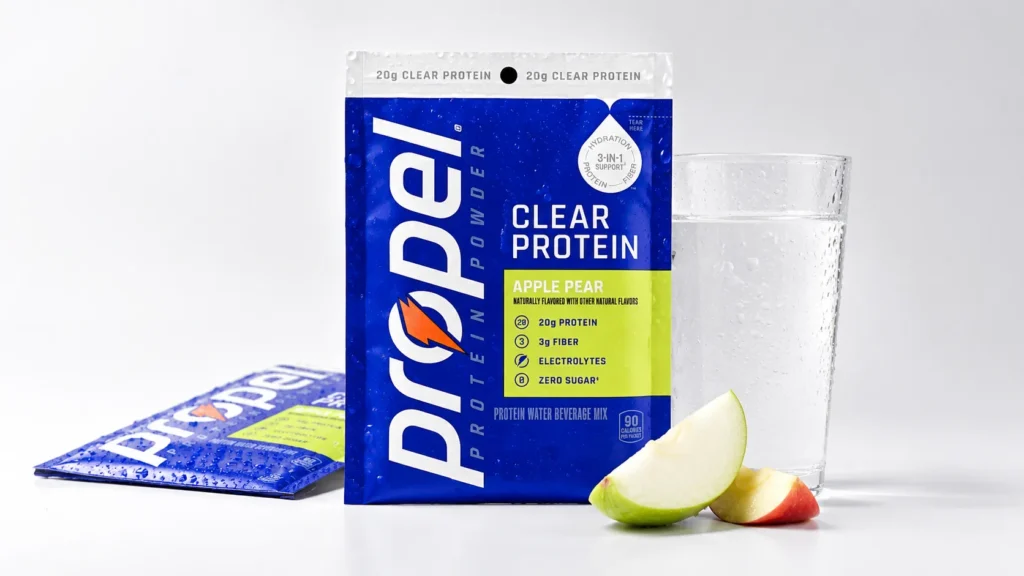
Does Propel electrolyte water break a fast? Propel markets itself as zero sugar and zero calories – and if that holds true on the label, then Propel doesn’t break a fast. Plain Propel electrolyte water contains sodium, potassium, and magnesium along with B vitamins and vitamin C, all within a zero-calorie framework.
However, there are a few things to watch with Propel specifically. The product uses sucralose as its sweetener, which is zero-calorie but may cause a minor insulin response in certain people – though research on this is not consistent. Most studies suggest sucralose doesn’t meaningfully affect insulin at the amounts found in a single serving. For most intermittent fasters, does propel electrolyte water break a fast remains a no.
One nuance worth noting: Propel contains B vitamins, which carry negligible calories but are technically being absorbed during the fast. For strict fasting purists, this may matter. For the majority of IF practitioners focused on metabolic outcomes, it doesn’t.
Why Fasting Depletes Electrolytes Faster Than You Think
Here’s something a lot of new fasters miss entirely. When insulin levels drop during a fast – which is part of the whole point – your kidneys respond by excreting more sodium and water. That sodium loss then pulls potassium and magnesium along with it. Within a 16–24 hour fast, you can lose a significant amount of these minerals even without sweating at all.
This is why people hit walls mid-fast that feel like hunger but are actually electrolyte depletion. The fatigue, headaches, light-headedness, and muscle twitching that often show up around hour 14–18 of a fast aren’t signs to break the fast – they’re signs to replenish minerals. If leg cramps at night are part of your fasting experience, our article on the best electrolytes for leg cramps at night explains exactly what’s happening and how to fix it.
Understanding this makes the answer to “do electrolytes break your fast” feel backward to most people. It’s not that electrolytes threaten your fast – it’s that skipping them threatens how long you can sustain it and how you feel throughout.
What to Look for in a Fasting-Safe Electrolyte Product
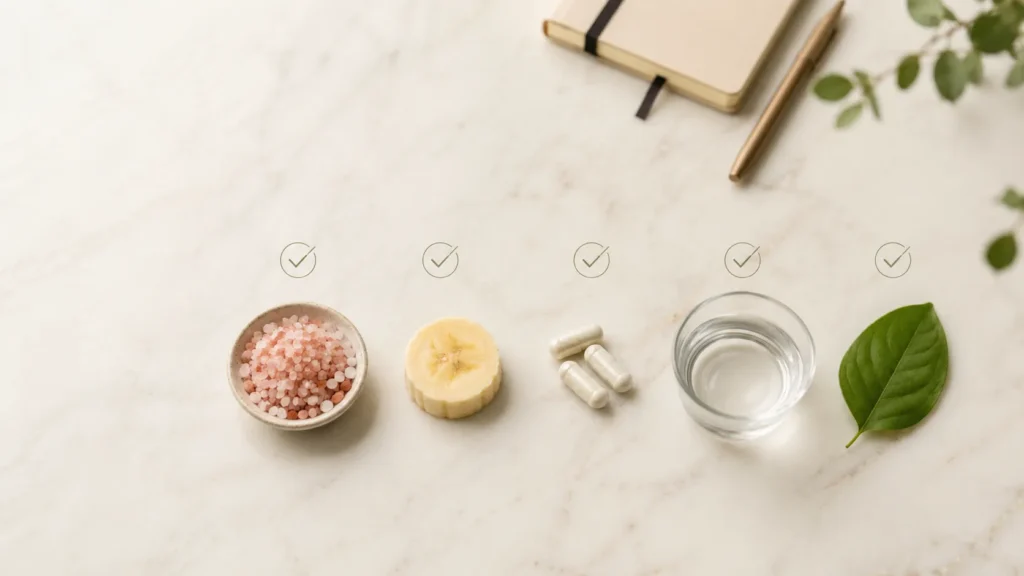
Now that you know do electrolyte supplements break a fast comes down to ingredients, here’s a simple checklist for choosing a fasting-compatible product:
- Zero sugar: no sucrose, dextrose, fructose, maltodextrin, or corn syrup
- Zero grams of carbohydrates on the nutrition label
- Zero or trace calories (under 10 calories is generally safe for IF)
- Sweetener is stevia or monk fruit – not sucralose or ace-K if you want to be cautious
- Contains meaningful sodium: at least 500–1,000 mg per serving to offset fasting losses
- No added amino acids (BCAAs) – these technically trigger a mild insulin response
- No added glucose or vitamin C from ascorbic acid blends with sugar carriers
Products specifically designed for low-carb and fasting lifestyles – like LMNT, Ultima Replenisher, or LMNT Raw Unflavored – are generally built around these exact requirements. Regular sports drinks and many mainstream “hydration” powders are not.
Final Verdict: Do Electrolytes Break a Fast?
Do electrolytes break a fast? No – not when the product is clean. Pure sodium, potassium, magnesium, and calcium contain zero calories, produce no insulin response, and don’t interrupt autophagy. They support the very processes fasting is meant to optimize: fat oxidation, cellular repair, and metabolic clarity.
The product you choose matters though. LMNT in its unflavored form is the strictest option – zero calories, zero sweeteners, nothing but minerals. The flavored versions carry 5–10 trace calories and are safe for all standard IF protocols. Propel is zero-sugar and generally fasting-compatible, though its use of sucralose gives some practitioners pause. Tablets like Nuun carry 2–4 calories each – negligible for most people, a potential concern for strict autophagy fasting.
The bottom line is this: does drinking electrolytes break a fast is the wrong question to fear. The right question is: am I choosing the right electrolyte product for my specific fasting goal? For most people doing time-restricted eating for fat loss and metabolic health, any clean, zero-sugar electrolyte formula is not only safe – it makes the fast far easier to sustain and far more comfortable to push through.
Frequently Asked Questions (FAQ)
Here are the most common questions people search when it comes to electrolytes and fasting – answered clearly and honestly.
Q1. Do electrolytes break a fast?
No. Pure electrolytes – sodium, potassium, magnesium, and calcium – contain zero calories and zero carbohydrates. They don’t trigger an insulin response, which means they don’t break a fast. The key is choosing a product with no added sugar, dextrose, or caloric ingredients.
Q2. Do electrolyte drinks break a fast?
Do electrolyte drinks break a fast depends entirely on the formula. Zero-sugar, zero-carb electrolyte drinks like LMNT or clean powder mixes don’t break a fast. Sugar-laden sports drinks like regular Gatorade absolutely do. Always read the label – anything with sucrose, dextrose, or fructose will spike insulin and end your fasted state.
Q3. Does LMNT break a fast?
No – LMNT’s official documentation confirms it does not break a fast. The flavored versions carry about 5–10 trace calories from stevia and natural flavors, which is not enough to trigger a meaningful insulin response. Their Raw Unflavored version contains zero calories and zero sweeteners, making it the strictest fasting-safe option in their lineup.
Q4. Does Propel electrolyte water break a fast?
Generally no. Propel is marketed as zero sugar and zero calories, which means it doesn’t meet the caloric threshold needed to break a standard intermittent fast. One caveat: Propel uses sucralose, which may cause minor insulin responses in some individuals. For most IF practitioners, this is negligible. For stricter autophagy-focused protocols, an unsweetened option may be preferable.
Q5. Do electrolyte tablets break a fast?
Most electrolyte tablets carry 2–5 calories and are generally considered fasting-safe for standard IF protocols. Brands like Nuun use small amounts of sorbitol or citric acid alongside the minerals. For weight-loss or metabolic fasting, this is typically fine. For strict water-only or autophagy fasting, choose capsule-form or powder minerals with zero added ingredients.
This article contains affiliate links. If you purchase through our links, we may earn a commission at no extra cost to you. We only recommend products we genuinely believe in. Read our Affiliate Disclaimer for full details.