

Electrolytes for keto flu headache may help when carbohydrate restriction has increased fluid and sodium losses, but a headache is not proof of an electrolyte deficiency. Sodium, potassium, magnesium, adequate food, sleep, and a gradual transition can all matter, and symptoms may have another cause. This guide explains keto-compatible options and safer troubleshooting without promising a 30-minute cure. Seek medical advice for severe, persistent, or unusual headache symptoms.
Table of Contents
This guide covers exactly why it happens, whether electrolytes help with keto headache (they do), the 7 signs your body is in ketosis so you know what’s normal, and real remedies for keto flu that work based on clinical and research evidence.
7 Signs Your Body Is in Ketosis
Before jumping into solutions, it helps to know whether you’re actually in ketosis or just experiencing a general adjustment reaction. The 7 signs your body is in ketosis are consistent across Healthline, Cleveland Clinic, and Diet Doctor’s clinical resources:
- Keto breath – a fruity or slightly acetone-like smell on your breath caused by acetone (a ketone) being exhaled through the lungs
- Rapid initial weight loss – mostly water weight in the first week as glycogen and its stored water release
- Headache and brain fog – directly caused by electrolyte depletion and the brain adapting to using ketones instead of glucose
- Fatigue and low energy – your cells are still learning to use fat and ketones efficiently; this improves after one to two weeks
- Increased urination – the kidneys actively excrete more sodium and water, which accelerates mineral loss
- Reduced appetite – ketones suppress ghrelin (the hunger hormone) more effectively than carbohydrates do
- Muscle cramps and twitching – a direct sign of magnesium and potassium depletion alongside the sodium loss
Seeing several of these 7 signs your body is in ketosis simultaneously tells you the transition is happening as expected. The question is whether you manage the electrolyte loss or let it become a week-long misery.
Why Keto Causes Headaches in the First Place

When you cut carbohydrates dramatically, your insulin levels fall. That’s the whole point of the ketogenic diet – lower insulin unlocks fat burning. But insulin doesn’t just regulate blood sugar. It also tells your kidneys to hold onto sodium. When insulin drops, the kidneys receive a new signal: stop retaining sodium and start excreting it.
Sodium carries water with it. So as your kidneys flush sodium, your body sheds a significant amount of fluid – which is where the “rapid water weight loss” you’ve heard about on keto comes from. But it’s not just water. The fluid losses pull potassium and magnesium out as well. Your electrolyte levels drop across the board within days.
The headache specifically comes from two things working together: low sodium disrupts fluid balance around the brain, and reduced blood volume from fluid loss means less oxygen delivery to brain tissue. A 2008 study published in the journal Nutrition & Metabolism found more than 50% of people starting a ketogenic diet experienced headaches – making it the most common keto flu symptom by a significant margin.
Do Electrolytes Help With Keto Headache?

Electrolytes help with keto headache – the answer from Diet Doctor, Healthline, and LMNT’s science team is consistently yes. Here’s why:
The keto flu headache’s root cause is low sodium, which means the fix is sodium replacement. Diet Doctor’s clinical keto guide states directly that drinking a glass of water with half a teaspoon of salt stirred into it can relieve symptoms – including headache – within 15 to 30 minutes for many people. That’s not a placebo effect. It’s the kidneys and brain responding to a sodium restoration that restores fluid pressure and blood volume.
Whether electrolytes help with keto headache long-term also depends on potassium and magnesium. Low potassium keeps you feeling generally unwell – fatigued, crampy, irritable – even after sodium is restored. Low magnesium specifically contributes to headaches through its role in nerve signaling and blood vessel tone. Magnesium deficiency is associated with increased migraine frequency in clinical research, which is relevant here because the keto headache has similar vascular and neurological mechanisms.
LMNT’s science team, drawing on ketogenic diet research, states that electrolytes for keto flu headache work because they directly replace what the kidney is flushing – not because they block the transition to ketosis or slow the process down. You can supplement sodium, potassium, and magnesium without disrupting fat burning or delaying ketosis. The minerals carry no calories and produce no insulin response.
The Three Electrolytes That Matter Most on Keto
Sodium – Fix This First
Sodium is the most critical electrolyte for keto flu headache and the one to address immediately. According to Revive Mobile IV’s keto dehydration guide, if you feel dizzy or have a headache within the first week of keto, low sodium is the most likely cause. The kidneys excrete sodium aggressively when insulin drops, and most whole-food keto diets don’t compensate for this automatically because they eliminate processed foods – which is where most dietary sodium comes from.
LMNT’s keto science page recommends a daily sodium target of 4-6 grams while adapting to ketosis. That’s significantly higher than the FDA’s standard 2,300 mg recommendation – but it accounts for the accelerated sodium excretion that keto specifically triggers. For context, one LMNT packet delivers 1,000 mg of sodium chloride, which is a direct and clean way to start replacing what the kidneys are flushing. Our detailed breakdown of how much sodium is in LMNT explains the science behind that number in full.
Potassium – Don’t Ignore It
Keto restricts most of the foods that typically supply dietary potassium – bananas, beans, lentils, sweet potatoes, and starchy vegetables. The keto-friendly potassium sources that remain – leafy greens, avocado, salmon – can supply meaningful amounts but require deliberate effort to consume in adequate quantities. The FDA daily value for potassium is 4,700 mg, and keto dieters often fall significantly short.
Low potassium contributes to keto flu fatigue, muscle cramps, and headaches by disrupting the sodium-potassium pump in every cell – the protein that maintains the electrical gradient muscles and nerves depend on. According to Cleveland Clinic’s keto flu guide, getting adequate potassium alongside sodium is one of the core remedies for keto flu because it restores the cellular balance that both sodium and potassium maintain together.
Magnesium – The Overlooked One
Magnesium is the third essential piece of electrolytes for keto flu headache, and it’s consistently underestimated. NIH 2024 data shows nearly half of Americans already fall below the average requirement for magnesium before keto even begins. The additional excretion triggered by keto’s diuretic effect makes the gap worse.
Magnesium supports muscle relaxation, nerve signaling, blood vessel tone, and sleep quality. Low magnesium specifically worsens headaches by affecting vascular reactivity – which is why magnesium supplements are used clinically in migraine prevention. Dr. Axe’s keto flu guide recommends taking a magnesium supplement before bed specifically for keto flu muscle aches, cramps, sleep disruption, and headaches.
How to Cure Keto Flu Headache – Step by Step
How to cure keto flu headache comes down to a simple sequence. Do these in order and most people see significant relief within 30-60 minutes:
| Fast Relief Protocol for Keto Headache Step 1 – Immediate: Mix 1/4 to 1/2 teaspoon of salt into 16 oz of water. Drink immediately. This addresses sodium depletion – the primary cause. Step 2 – Within 30 minutes: Add an electrolyte powder that includes sodium, potassium, and magnesium to your next glass of water. LMNT, Ultima, or DripDrop all work here. Step 3 – With food: Eat potassium-rich keto-friendly food – half an avocado, a handful of spinach, or a piece of salmon alongside your next meal. Step 4 – Before bed: Take 200-300 mg of magnesium glycinate or malate to address the overnight cramp and sleep disruption component. |
Diet Doctor’s clinical keto guide – one of the most referenced resources in the low-carb medical community – specifically states that increasing salt and water intake is “by far the most important” step in how to cure keto flu headache and other keto flu symptoms, and is “often all that’s needed.” The rest of the protocol supports a faster and more complete resolution.
One thing that doesn’t help: loading up on extra water without electrolytes. Drinking excess plain water during keto flu can actually dilute the sodium that remains in your blood, which makes symptoms worse rather than better. The water needs minerals alongside it to hydrate effectively at the cellular level. This is the same principle covered in our piece on do electrolytes break a fast – electrolytes don’t disrupt ketosis, they just fix the mineral gap.
Best Electrolyte Products for Keto Flu
Not every electrolyte drink is keto-compatible. Products with added sugar, dextrose, or glucose kick insulin back up and can interfere with the ketosis transition. Here are the options that deliver meaningful electrolytes without disrupting keto:
LMNT
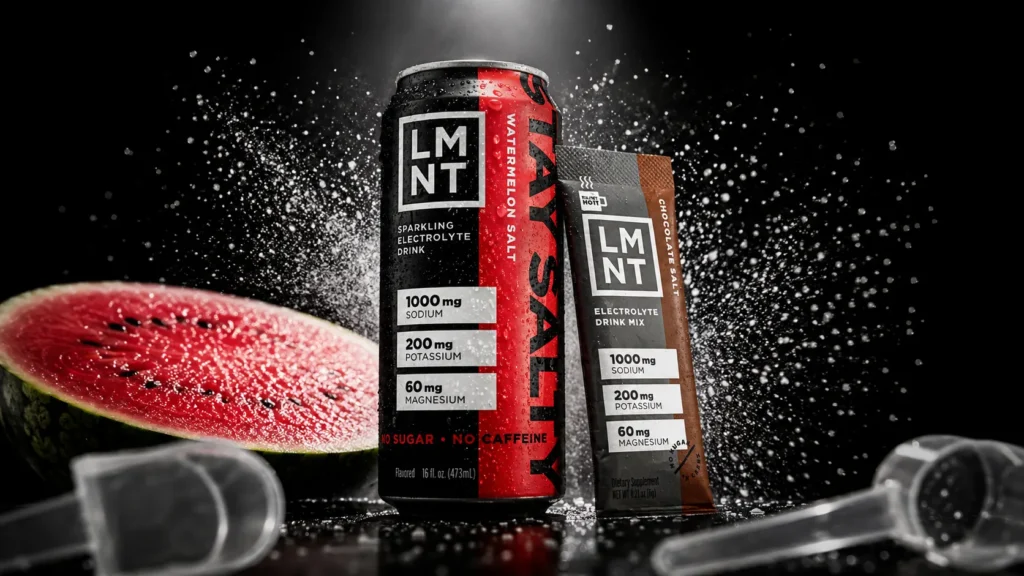
LMNT is the product most specifically aligned with keto flu electrolyte needs. Each packet delivers 1,000 mg sodium, 200 mg potassium, and 60 mg magnesium malate – in zero-sugar, zero-carb form. It’s the highest sodium of any mainstream electrolyte product, which is intentional for exactly this context. The Raw Unflavored version contains only the three mineral compounds with no other additions.
DripDrop
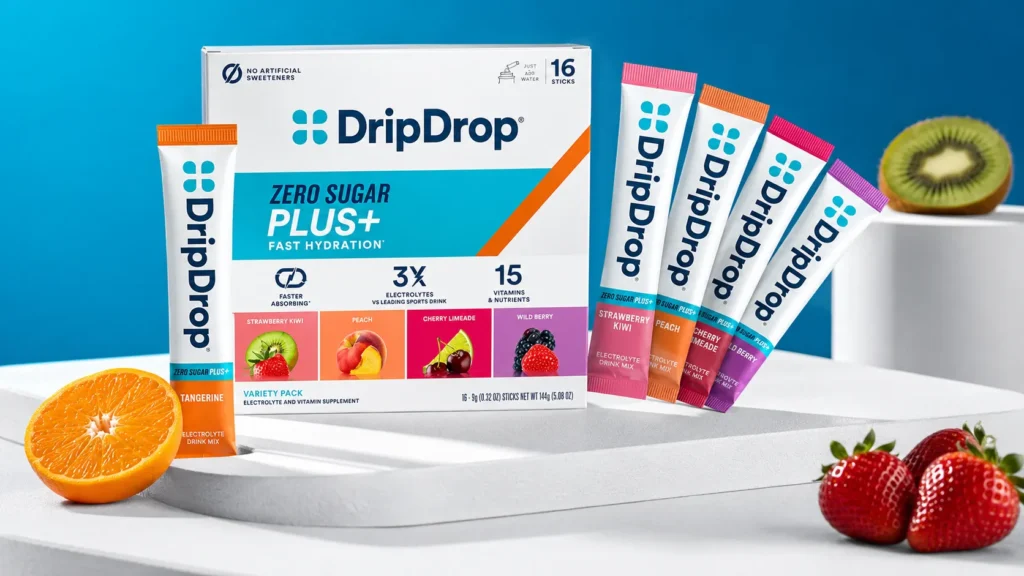
DripDrop takes a different approach – lower sodium (330 mg per serving) but it adds zinc and vitamin C alongside sodium, potassium, and magnesium. According to DripDrop’s own keto hydration guide, their formula uses an ORS-inspired design that helps address the hydration deficit keto creates, particularly in the early adaptation phase. Lower sodium makes it a better fit for people who are sensitive to salt taste or managing blood pressure.
Ultima Replenisher

Ultima offers 100 mg of magnesium per serving – higher than both LMNT and DripDrop – alongside potassium, calcium, and zinc. At only 55 mg of sodium, it’s better as a magnesium and potassium supplement than a sodium replacement for acute keto headache. Use it in combination with added dietary salt rather than as a standalone sodium source. Our full Ultima vs LMNT comparison covers how the two compare for keto and other use cases.
Remedies for Keto Flu Beyond Electrolytes
Remedies for keto flu extend beyond minerals. Electrolytes fix the immediate deficit, but the full recovery from keto adaptation involves several supporting strategies:
1. Start Keto Gradually
Cutting carbs all at once produces a sharper insulin drop and faster glycogen depletion – which means faster and more severe electrolyte loss. Reducing carbs gradually over one to two weeks gives the kidneys and hormonal system more time to adjust. This approach doesn’t prevent keto flu entirely but consistently reduces its severity.
2. Eat Enough Fat
Keto flu sometimes worsens when people cut carbs but don’t adequately replace the calories with fat. Your body needs sufficient dietary fat to transition into using fat and ketones as fuel efficiently. Low-calorie keto in the first week compounds the exhaustion. Healthy fats – olive oil, avocado, grass-fed butter, fatty fish, nuts – support the energy supply while glycogen stores deplete.
3. Drink Bone Broth Daily
Bone broth is one of the most practical remedies for keto flu because it simultaneously provides sodium, potassium, magnesium, calcium, and collagen – all in a form that’s easy on the digestive system, warming to drink, and naturally keto-friendly. Dr. Axe specifically recommends 1-2 cups of bone broth daily during keto adaptation, noting it provides electrolytes and trace minerals without any carb impact. For people who struggle to tolerate electrolyte powder flavor, bone broth with a pinch of added salt is an equally effective delivery method.
4. Rest and Reduce Exercise Intensity
Intense exercise during keto flu accelerates both fluid and electrolyte loss at exactly the moment your body is already depleted. Healthline and WebMD both recommend keeping exercise light during the first week – walking, stretching, gentle yoga. Strenuous workouts suppress your immune system slightly and increase cortisol, both of which can worsen the adaptation symptoms. Resume normal training intensity once the keto flu symptoms resolve, which for most people takes 5-10 days.
5. Prioritize Sleep
A 2019 study referenced in Advances in Nutrition found that keto can affect REM sleep patterns during the early adaptation phase. Sleep deprivation worsens every keto flu symptom – headaches in particular. Aim for 7-9 hours during the first two weeks, keep the room cool, and avoid caffeine after early afternoon. The combination of sodium-repleted electrolytes and adequate sleep together produce significantly faster symptom resolution than either alone.
Keto-Friendly Foods That Support Electrolyte Levels
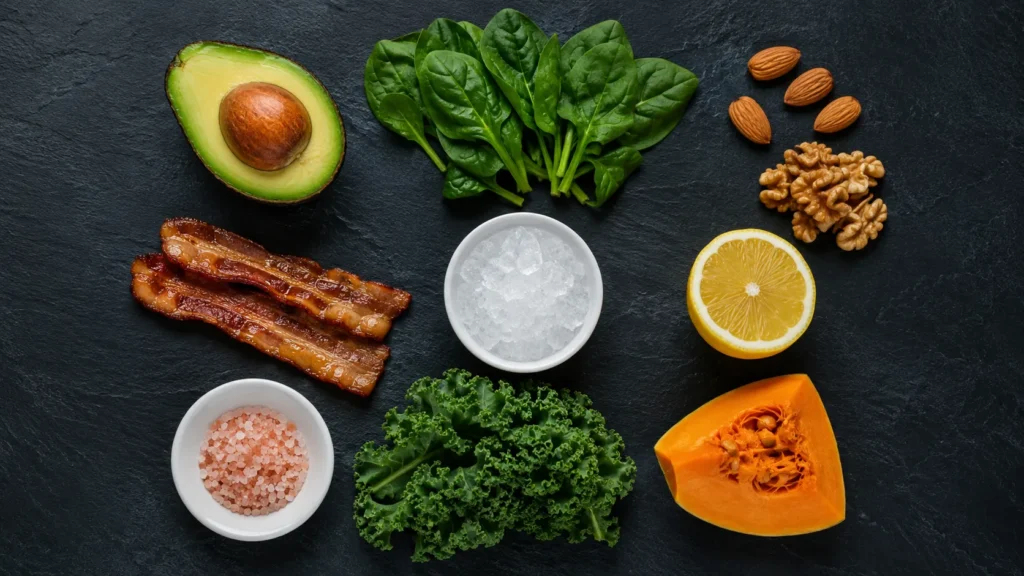
Alongside supplements and drinks, these whole foods deliver the electrolytes most depleted during keto adaptation without adding meaningful carbs:
- Avocado – up to 975 mg potassium per whole fruit plus magnesium; 2-4g net carbs per half
- Spinach (cooked) – high potassium and magnesium; 1-2g net carbs per cup
- Salmon – potassium, magnesium, and B vitamins in a zero-carb format
- Pumpkin seeds – one of the richest food sources of magnesium (156 mg per ounce); 1.4g net carbs per ounce
- Full-fat Greek yogurt (unsweetened) – calcium, potassium, and some magnesium; 4-6g net carbs per serving
- Dark leafy greens (kale, Swiss chard) – potassium, magnesium, calcium; 1-2g net carbs per cup
- Bone broth – sodium, potassium, magnesium, calcium in liquid form; effectively zero carbs
Final Verdict: Electrolytes For Keto Flu Headache
Electrolytes for keto flu headache address the actual biological cause of the problem – not the symptom. The headache you feel in the first week of keto is your body signaling sodium, potassium, and magnesium depletion caused by the kidneys’ response to falling insulin levels. Fix the mineral gap and the headache goes with it, often within 30 minutes when sodium is restored quickly enough.
Understanding how to cure keto flu headache properly also means knowing what doesn’t help: excessive plain water, quitting keto prematurely, or treating symptoms with over-the-counter pain medication without addressing the mineral root cause. The remedies for keto flu that actually work are almost all mineral and hydration based – which is exactly what this article covers.
| Disclaimer: This article is for informational purposes only and does not constitute medical advice. Always consult your healthcare provider before starting a ketogenic diet, particularly if you take medications for blood pressure or diabetes, as keto can significantly affect how those medications work. |
Frequently Asked Questions (FAQ)
The most common questions about keto flu headache and electrolytes – answered clearly.
Q1. Do electrolytes help with keto headache?
Yes – electrolytes help with keto headache because the headache is directly caused by sodium depletion triggering fluid shifts around the brain. Restoring sodium with a glass of salted water or an electrolyte powder addresses the root cause. Diet Doctor’s clinical keto guide states that a salt and water solution can relieve keto headache symptoms within 15-30 minutes. Potassium and magnesium support full resolution but sodium needs to come first and fastest.
Q2. What are the best electrolytes for keto flu headache?
The best electrolytes for keto flu headache in order of priority: sodium (1,000-2,000 mg immediately when a headache hits), potassium (from food sources like avocado and leafy greens throughout the day), and magnesium (150-300 mg supplemented before bed). LMNT covers all three in one zero-sugar packet. DripDrop is a lower-sodium alternative that adds zinc and vitamin C.
Q3. How to cure keto flu headache fast?
How to cure keto flu headache fast: mix half a teaspoon of salt into 16 oz of water and drink it immediately. Many people experience noticeable relief within 30 minutes. Follow with a full electrolyte powder packet (LMNT or similar) in your next glass of water and eat a potassium-rich food like avocado with your next meal. This three-part approach addresses all three electrolyte deficits driving the headache.
Q4. What are the 7 signs your body is in ketosis?
The 7 signs your body is in ketosis are: keto breath (fruity or acetone smell), rapid initial weight loss (mostly water and glycogen), headache and brain fog, low energy and fatigue, increased urination, reduced appetite (ketones suppress hunger hormones), and muscle cramps or twitching. Headache is the most common – reported by over 50% of people in a Nutrition & Metabolism study. Most symptoms resolve within one to two weeks once the body fully adapts to fat burning.
Q5. How long does keto flu headache last?
Keto flu symptoms – including headaches – typically appear within two to seven days of starting the ketogenic diet and resolve within one to two weeks as the body adapts. According to Cleveland Clinic, the exact duration varies based on how quickly you cut carbs, your existing glycogen stores, and how well you manage electrolyte replacement. People who supplement sodium, potassium, and magnesium from day one consistently report shorter and milder keto flu experiences.
This article contains affiliate links. If you purchase through our links, we may earn a commission at no extra cost to you. We only recommend products we genuinely believe in. Read our Affiliate Disclaimer for full details.