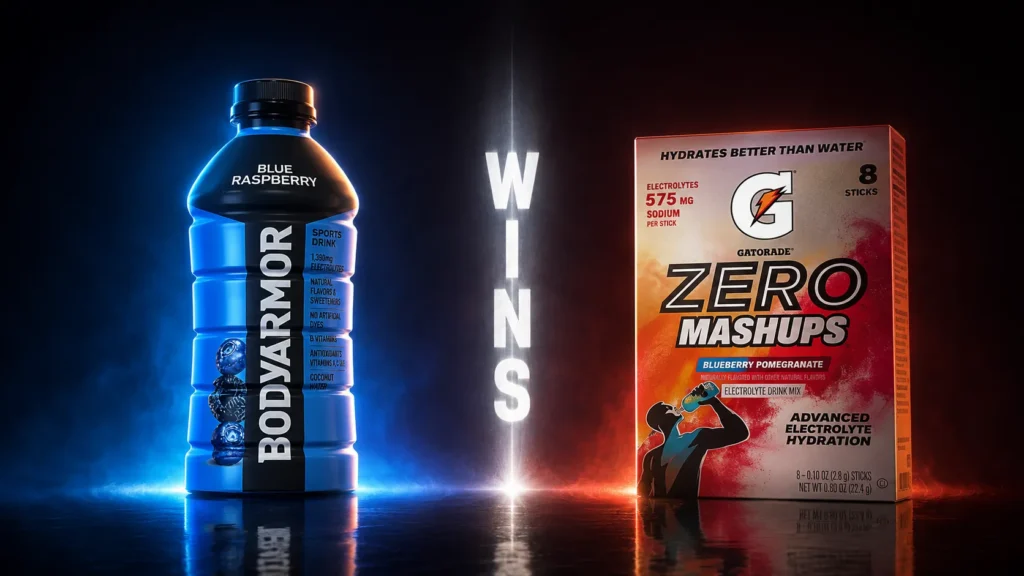
Body Armor vs Gatorade is not a single-formula comparison because both brands sell several product lines. This article centers on BODYARMOR Sports Drink and classic Gatorade Thirst Quencher, then explains how lower-sugar and higher-electrolyte variants differ. BODYARMOR is more potassium-forward, while classic Gatorade emphasizes sodium and carbohydrate. Compare equal beverage volumes and the exact label before choosing one for exercise, illness, or everyday drinking.
Table of Contents
Quick Overview – What Are These Two Drinks?
Body Armor
Body Armor launched in 2011 and positioned itself as the cleaner, more natural alternative to Gatorade. BODYARMOR‘s original formula uses coconut water concentrate as its electrolyte base, adds vitamins A, C, E, and B vitamins, avoids artificial dyes, and delivers notably high potassium per bottle. Coca-Cola acquired the brand in a deal that made it one of the most expensive sports drink acquisitions in history – a strong signal that Body Armor’s growth trajectory was real, not marketing noise.
Today, Body Armor offers several product lines: the original Sports Drink, Body Armor Lyte (lower calorie), Body Armor Flash I.V. (high-performance electrolytes), and Body Armor Zero Sugar. The formulas differ significantly between these lines, which matters when you compare them against Gatorade.
Gatorade
Gatorade was created in 1965 by researchers at the University of Florida for the Gators football team – hence the name. Today, Gatorade holds over 50% of the US sports drink market, a position it has maintained for decades. The Thirst Quencher is the classic formula: sodium-forward, sugar-based, artificial dye-heavy, and scientifically optimized for sweat replacement during intense physical activity. Gatorade now offers Zero, Gatorlyte, and a full hydration continuum – but the classic Thirst Quencher is what most people picture.
Body Armor vs Gatorade – Full Nutrition Comparison
| Category | Body Armor (16 oz) | Gatorade (12 oz) | Body Armor Flash I.V. |
| Sodium | 40 mg | 160 mg | 530 mg |
| Potassium | 700 mg | 50 mg | 720 mg |
| Total Electrolytes | ~740 mg | ~210 mg | 2,200+ mg |
| Sugar | 25-27 g | 21 g | Lower |
| Calories | 90-130 | 80 | Lower |
| Artificial Dyes | None | Yes | None |
| Artificial Sweeteners | None (original) | Sucralose (Zero) | None |
| Coconut Water Base | Yes | No | No |
| Added Vitamins | A, C, E + B vitamins | None | A, C, E |
| Price per Bottle | ~$2.00-2.50 | ~$1.00-1.75 | ~$2.50+ |
| Market Share | ~25-30% | ~50%+ | Niche |
| Best For | Daily hydration, clean label | Intense exercise, sodium replenishment | Serious sweat replacement |
| Note: Nutrition values can vary by flavor and bottle size. Always check the label on the specific product you purchase. Values above reflect standard 16 oz Body Armor and 12 oz Gatorade Thirst Quencher. |
Body Armor vs Gatorade Electrolytes – The Most Important Comparison
This is where Body Armor vs Gatorade electrolytes gets genuinely interesting – because the two products make almost opposite electrolyte choices. And it matters enormously for what you actually use them for.
Body Armor original delivers approximately 700 mg of potassium per 16 oz bottle and only 40 mg of sodium. Gatorade Thirst Quencher delivers 160 mg of sodium and just 50 mg of potassium per 12 oz bottle. Per Drink Better Now’s 2026 analysis: Body Armor provides nearly ten times more potassium than Gatorade, while Gatorade delivers nearly double the sodium.
Here’s the physiological problem with that Body Armor sodium number: when you sweat, you lose far more sodium than potassium. ScienceInsights (April 2026) puts it bluntly – “you lose way more sodium than potassium when you sweat. Potassium is great, but sodium is what keeps fluids in your body during long workouts or heat.”
For Body Armor vs Gatorade electrolytes in a serious workout context, Gatorade’s sodium advantage means it does a better job replacing what hard exercise actually removes. Body Armor’s potassium advantage is real but less relevant to sweat loss specifically. Body Armor Flash I.V. – their performance line with 530 mg sodium and 720 mg potassium – closes that gap substantially.
For everyday hydration and moderate activity where sodium depletion isn’t the primary concern, Body Armor’s potassium content supports muscle function and fluid balance without the high-sodium load that most Americans already overconsume from food. The NIH Office of Dietary Supplements confirms potassium’s role in regulating blood pressure and muscle contraction – making Body Armor’s formula relevant for recovery and general health.
Body Armor vs Gatorade for Hydration – Daily Use
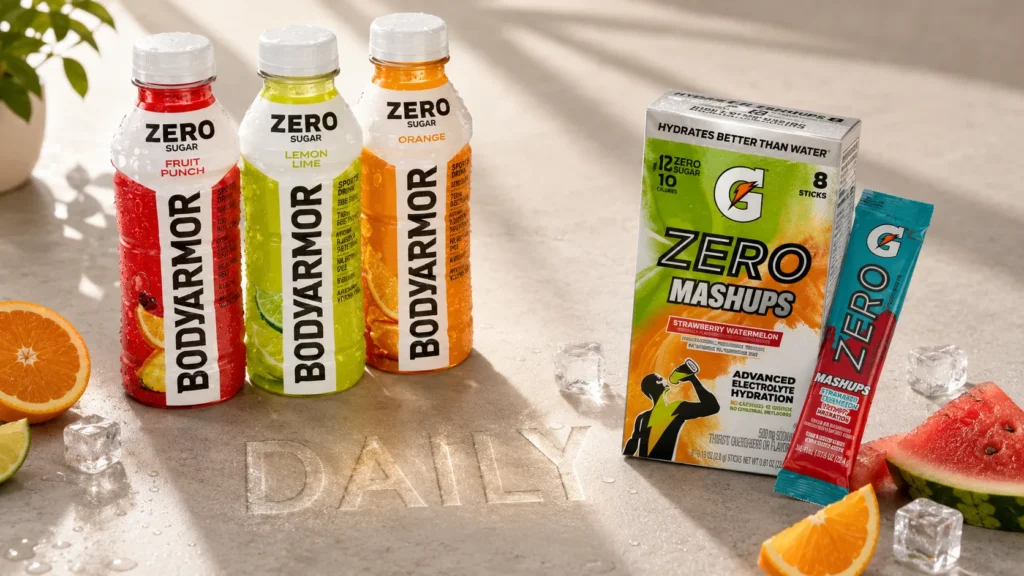
For Body armor vs Gatorade for hydration in an everyday context – not post-marathon, not heat stroke recovery, just staying hydrated through a normal active day – the comparison shifts in Body Armor’s favor.
Body Armor’s coconut water base contributes naturally occurring electrolytes alongside potassium. The absence of artificial dyes and the addition of vitamins A, C, and E make it a more nutritionally rounded hydration choice for daily sipping. Controlled studies comparing coconut water to traditional sports drinks found both performed equally well at rehydrating people after exercise, per ScienceInsights’ review of the clinical evidence.
The DrinkAGame 2026 low-calorie sports drink comparison noted that Body Armor Lyte “leans more heavily on potassium, which may appeal to consumers seeking a more juice-like hydration profile” for everyday use. For office workers, casual gym-goers, or parents keeping kids hydrated after sports practice, Body Armor checks more boxes than Gatorade on ingredient quality.
Gatorade for pure daily hydration? It works, but the artificial dyes and lower vitamin content make it a less elegant choice when intense exercise isn’t on the agenda. For comparison on how these products stack up against dedicated electrolyte powders without any sugar, our Gatorlyte vs Liquid IV comparison covers Gatorade’s own premium line in detail.
Body Armor vs Gatorade When Sick
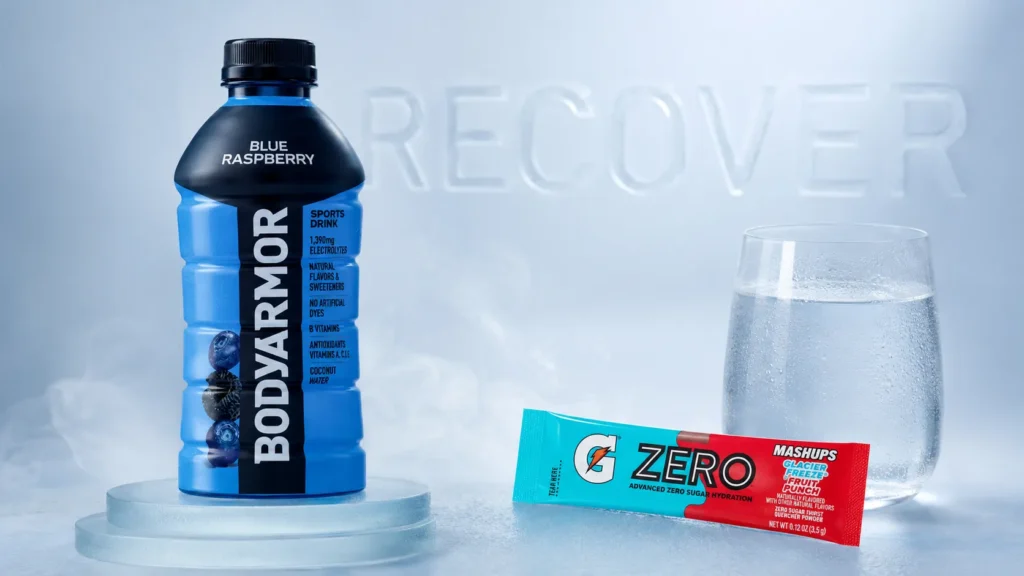
When you’re sick – stomach flu, fever, vomiting, diarrhea – the hydration game changes completely. Body Armor vs Gatorade when sick is a context where sodium becomes critical, because illness dehydration matches much more closely with sodium and chloride losses than everyday sweat losses.
For Body Armor vs Gatorade when sick with a stomach bug specifically, Gatorade’s higher sodium content gives it an edge over Body Armor original. Oral rehydration science – the WHO ORS framework – is built around sodium-glucose pairing to activate the intestinal absorption pathway. Gatorade’s formula, while not a true ORS product, aligns better with that principle than Body Armor’s low-sodium formula.
That said, neither Gatorade nor Body Armor is the optimal choice for serious illness dehydration. Pedialyte, DripDrop, or WHO ORS packets match the clinical standard better. But if you only have these two on hand during a sick day, Gatorade’s sodium content makes it the more effective illness hydration choice by the available evidence.
Body Armor’s vitamins (A, C, E) do support immune function as a secondary benefit. If the illness is mild – a cold rather than a stomach bug – Body Armor’s vitamin profile and gentler flavor may be easier to manage. The One Bite Nutrition roundup (July 2025) described Body Armor as “great for muscle recovery” with “high potassium” – which helps with the weakness that often accompanies illness.
Body Armor vs Gatorade for Hangover
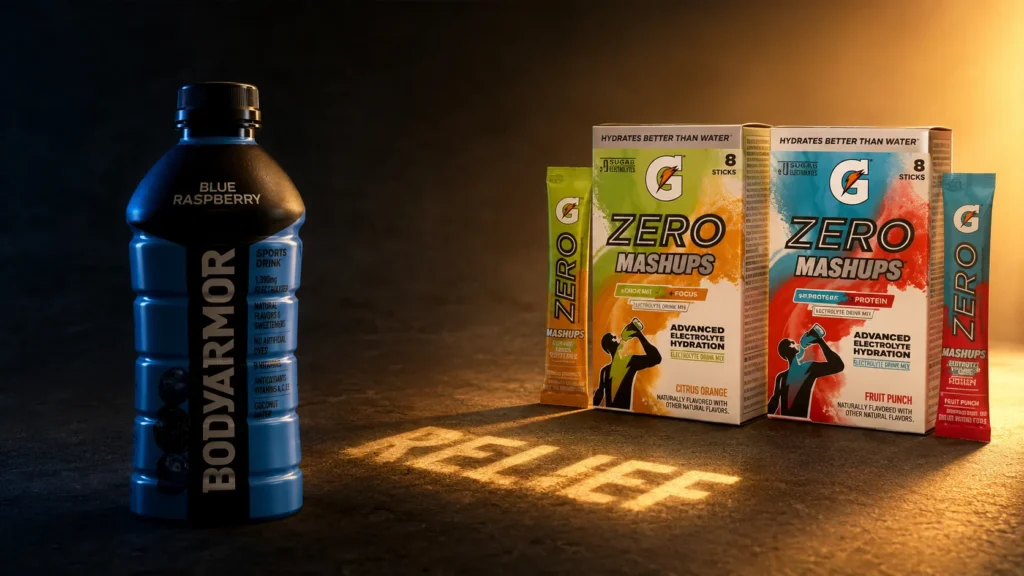
Hangover hydration follows the same physiological logic as illness: alcohol suppresses vasopressin (antidiuretic hormone), your kidneys flush sodium, and you wake up depleted. For Body Armor vs Gatorade for hangover, you want sodium first to restore blood volume, potassium second for the fatigue and muscle weakness, and glucose to help your liver finish processing alcohol residues.
Gatorade’s sodium-forward formula makes it the stronger choice for the headache and dizziness components of a hangover. Sodium is what keeps water in your bloodstream rather than flushing through. For the classic “my head is pounding” morning-after experience, Gatorade addresses that root cause more directly than Body Armor original.
Body Armor wins on one specific hangover front: the fatigue and muscle ache side. At 700 mg of potassium per bottle, it addresses the potassium depletion that alcohol-driven fluid loss creates. Many people find the combination most effective – Gatorade first to fix the headache, then Body Armor for the lingering energy and muscle component later in the day.
For Body Armor vs Gatorade for hangover, the honest answer is neither fully optimizes the situation. DripDrop and LMNT, which we’ve covered in depth, address both sodium and potassium simultaneously without the sugar load. But if you’re choosing between these two at 7 AM from your fridge, start with Gatorade. Our guide to the best electrolyte drinks for hangover nausea covers this scenario with the full market in view.
Body Armor Review – What the Evidence Shows
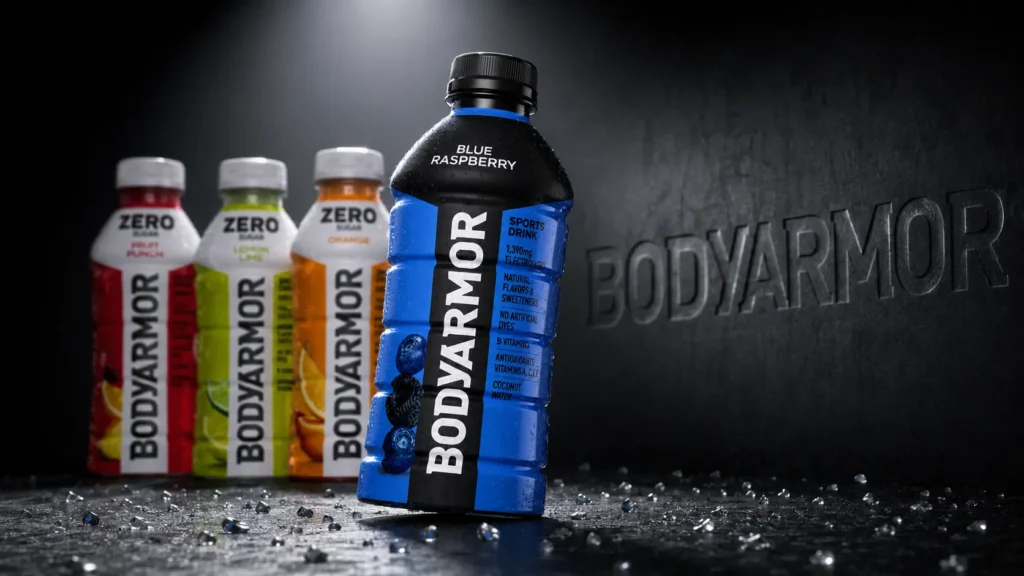
For this Body Armor Review, let’s cut through the marketing and stick with what the nutrition data and independent research actually show.
Body Armor gets a lot right. The coconut water base provides naturally occurring electrolytes from a whole food source. No artificial dyes is a genuine differentiator – Gatorade’s artificial colors have zero nutritional value and exist purely for branding. The vitamins A, C, and E add measurable nutritional value beyond basic hydration. The taste is fruit-forward and easy to drink, which matters for consistency.
Where this Body Armor Review gets honest about the limitations: 40 mg of sodium per bottle is too low for anyone doing serious exercise in heat. For light activity and daily hydration, that’s not a problem. For a two-hour run in summer, you’ll be under-replacing your primary sweat electrolyte. The sugar content – up to 27 grams per bottle – also adds meaningful calories that sugar-conscious consumers should factor in.
Body Armor Flash I.V. changes the story significantly. At 530 mg sodium and 720 mg potassium, it finally competes with performance-focused electrolyte products. If you want Body Armor for serious athletic hydration, Flash I.V. is the product to reach for – not the original.
Gatorade Review – The Honest Assessment
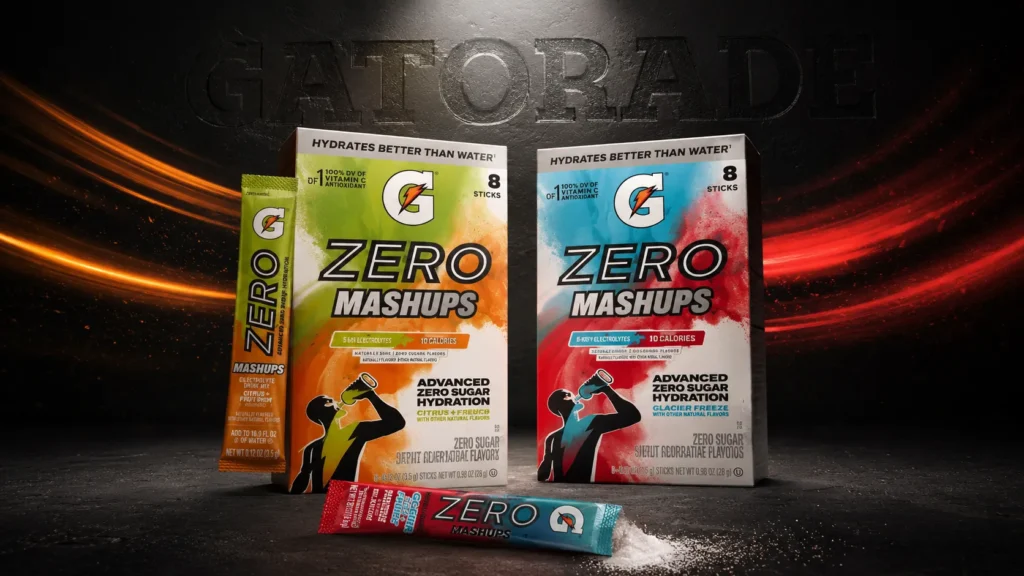
For the Gatorade Review: fifty-plus years of market dominance isn’t an accident. Gatorade’s formula is backed by decades of sports science research conducted by the Gatorade Sports Science Institute, and the sodium-glucose-potassium balance in the Thirst Quencher is a legitimate electrolyte replacement formula for high-output exercise.
The limitations are also clear. Artificial dyes serve no functional purpose – Yellow 5, Yellow 6, Red 40 are in the product purely for visual branding. The 21 grams of sugar per 12 oz bottle is appropriate for endurance athletes who need fast energy but excessive for people using it as a casual hydration choice. The low potassium (50 mg vs Body Armor’s 700 mg) leaves a meaningful gap on that mineral.
Gatorade Zero addresses the sugar concern cleanly – 0 grams of sugar, 0 calories, and the same sodium level. But it uses sucralose as a sweetener, which some people avoid for gut sensitivity reasons. Gatorlyte – Gatorade’s more advanced formula – moves the needle significantly with higher sodium and potassium and no artificial dyes. That’s covered in our Gatorlyte vs Liquid IV comparison. The classic Thirst Quencher? Excellent for hard exercise, less ideal for everything else.
Price, Taste, and Availability
Gatorade is cheaper and more available. A 12 oz Gatorade typically runs $1.00-$1.75 at retail. Body Armor 16 oz bottles run $2.00-$2.50. In bulk or club store format, both become more competitive, but Gatorade consistently undercuts Body Armor on per-ounce price.
On taste, this is genuinely subjective – but the pattern from blind tests and reviews is consistent. Gatorade tastes like nostalgia – the familiar salty-sweet sports drink profile most Americans grew up with. Body Armor tastes more like juice – fruitier, brighter, less salty. The Saratoga Falcon review described Body Armor as having “a more refreshing and fruit-forward taste” that many testers preferred in a blind comparison.
Gatorade is available literally everywhere – gas stations, vending machines, every major retailer, stadiums, school cafeterias. Body Armor has grown distribution significantly since the Coca-Cola acquisition but still isn’t as universally available. On availability alone, Gatorade wins for convenience.
Which Should You Buy? Clear Recommendation by Use Case
| Buy Gatorade (Thirst Quencher or Gatorlyte) if you: – Train hard, compete, or work outdoors in heat with heavy sweating – Are sick with stomach flu, vomiting, or diarrhea and need sodium-forward rehydration – Wake up hungover and need to fix the headache fast – sodium is your fix – Want the widest availability and lowest price per bottle – Are an endurance athlete who needs glucose and sodium together during effort Buy Body Armor if you: – Want a cleaner ingredient list without artificial dyes – Use sports drinks for daily hydration at moderate activity levels – Want added vitamins A, C, and E alongside your hydration – Prefer a fruitier, less salty taste profile – Buy Body Armor Flash I.V. specifically if you want serious sweat replacement with a cleaner label |
Final Verdict: Body Armor vs Gatorade
After going through the full Body Armor vs Gatorade picture, the honest conclusion is: they’re good at different things, and neither is universally better.
Gatorade wins for high-intensity exercise, illness recovery, hangover headache relief, and any context where sodium replacement is the priority. Decades of sports science, practical sodium levels, and near-universal availability make it the functional performance choice.
Body Armor wins for daily hydration, clean ingredient standards, vitamin coverage, and potassium-driven muscle support. The coconut water base and absence of artificial dyes genuinely differentiate it from Gatorade for consumers who read labels carefully.
| Disclaimer: This article is for informational purposes only. Nutritional values may vary by flavor and product version. Always check the current label. Consult a healthcare provider if you have specific medical conditions affecting fluid or electrolyte management. |
Frequently Asked Questions
Quick answers to the most common Body Armor and Gatorade questions.
Is Body Armor hydration drink better than Gatorade?
Depends on the goal. Body Armor wins on cleaner ingredients and potassium. Gatorade wins on sodium replacement during intense exercise. Neither is universally better.
Is Body Armor actually healthy?
Reasonably healthy for a sports drink. No artificial dyes, has vitamins, coconut water base. The 25-27g of sugar per bottle is the main concern for non-exercising consumers.
What is the healthiest hydration drink?
Plain water for light activity. Zero-sugar electrolyte powders like LMNT or Ultima for active hydration. Body Armor Lyte or Zero Sugar if you prefer a bottled sports drink without artificial dyes.
Is Body Armor good for replacing electrolytes?
For potassium – yes, excellent. For sodium – no, only 40 mg per bottle. Body Armor Flash I.V. (530 mg sodium, 720 mg potassium) is the exception and does replace electrolytes properly.
What is the healthiest alternative to Gatorade?
For active hydration: Gatorlyte or LMNT. For everyday drinking: Body Armor Lyte or Ultima Replenisher. For illness or hangover: DripDrop. All outperform classic Gatorade on ingredient quality.
Which is better, Gatorade or Body Armor when sick?
Gatorade wins when sick due to higher sodium content matching ORS principles better. For stomach illness, even Pedialyte or DripDrop outperform both.
What are the top 3 most hydrating drinks?
Water (always first), oral rehydration solutions or electrolyte drinks like DripDrop, and electrolyte-enhanced water. Coconut water and sports drinks rank lower due to sugar content.
Is it better to drink Gatorade or electrolytes?
Dedicated electrolyte powders (zero sugar, higher sodium and potassium than standard Gatorade) outperform Gatorade Thirst Quencher for electrolyte replacement. Gatorlyte is Gatorade’s better electrolyte-focused option.
This article contains affiliate links. If you purchase through our links, we may earn a commission at no extra cost to you. We only recommend products we genuinely believe in. Read our Affiliate Disclaimer for full details.